BADR HISTORICAL CENTER
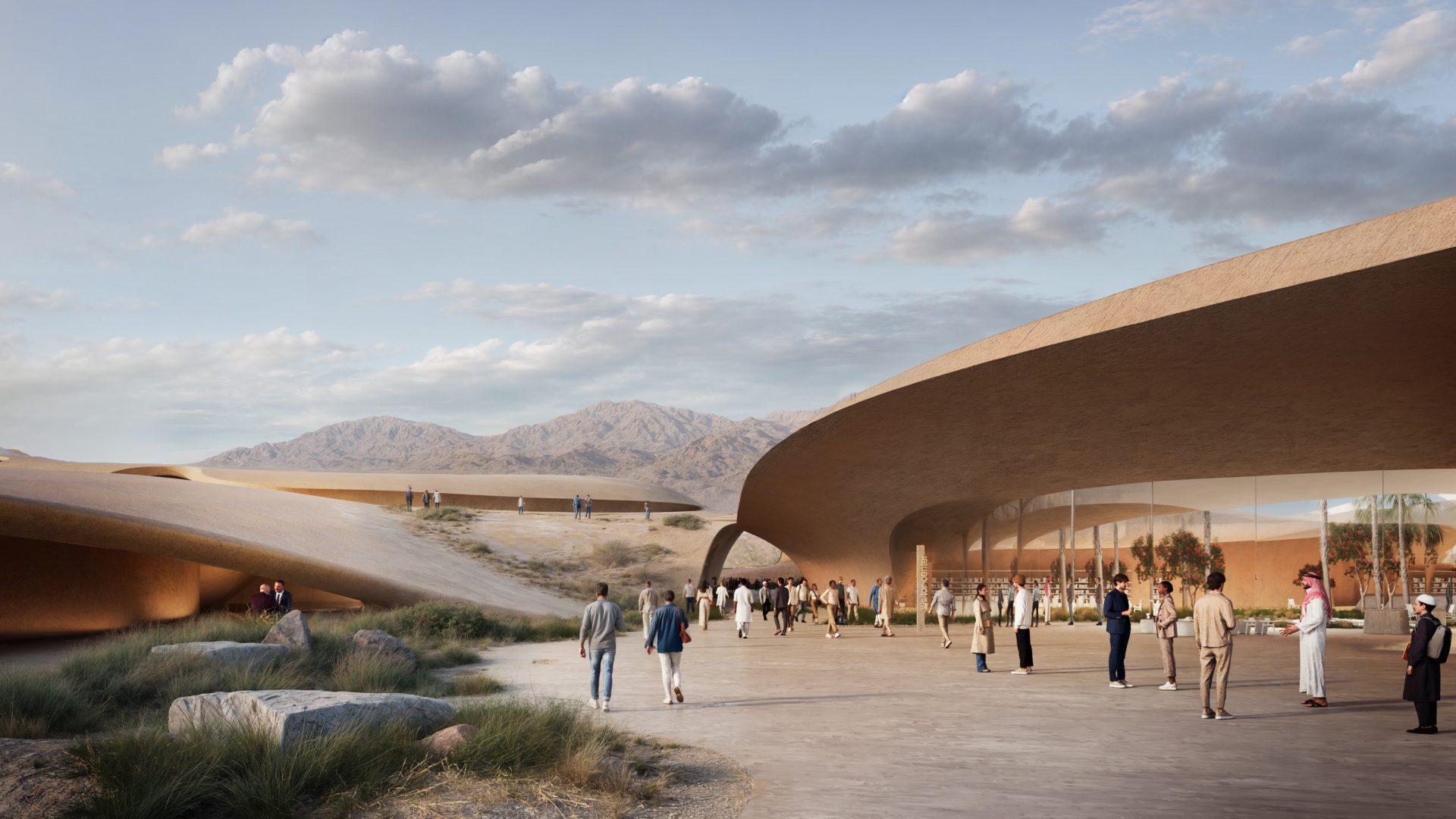
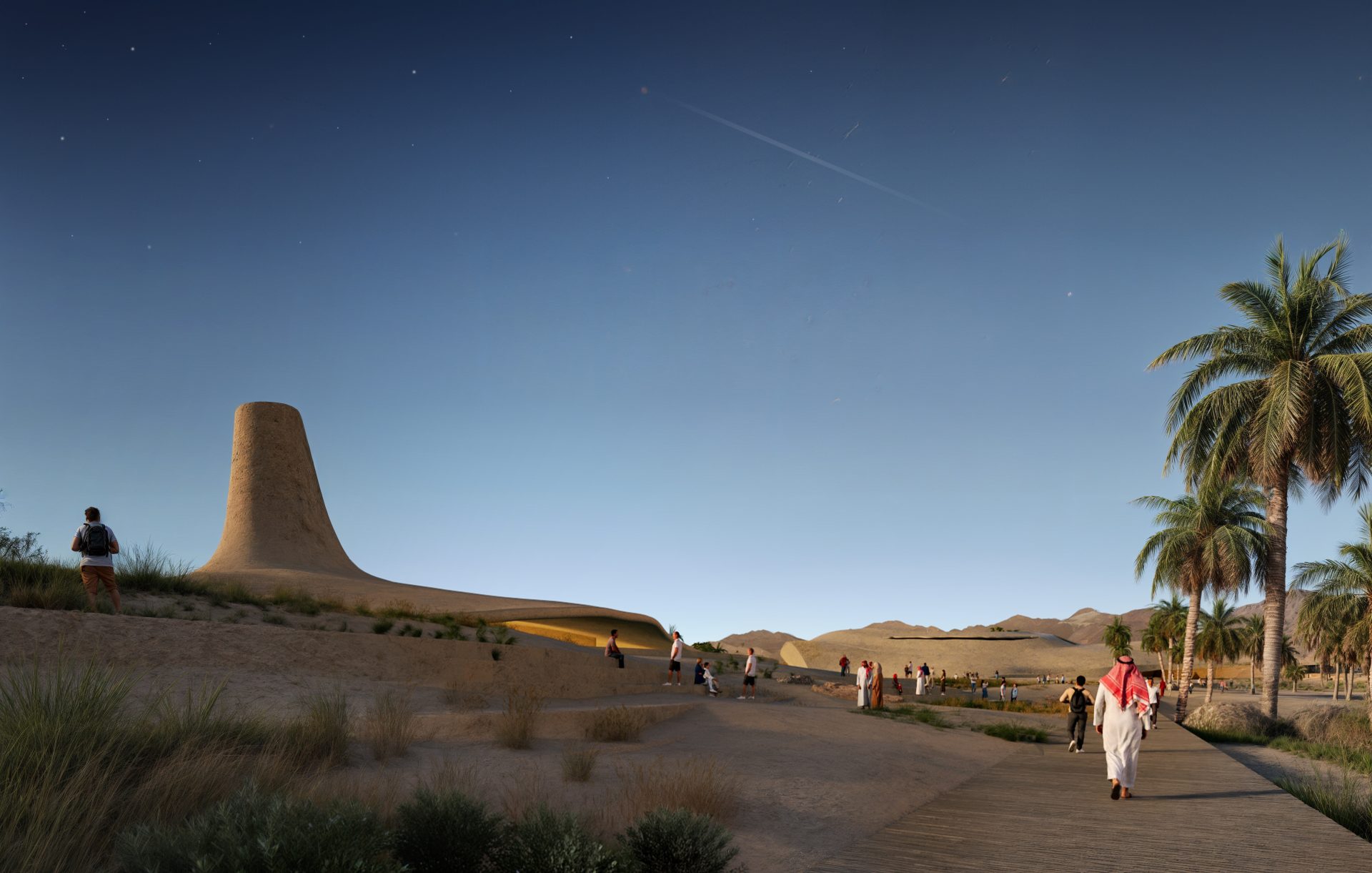
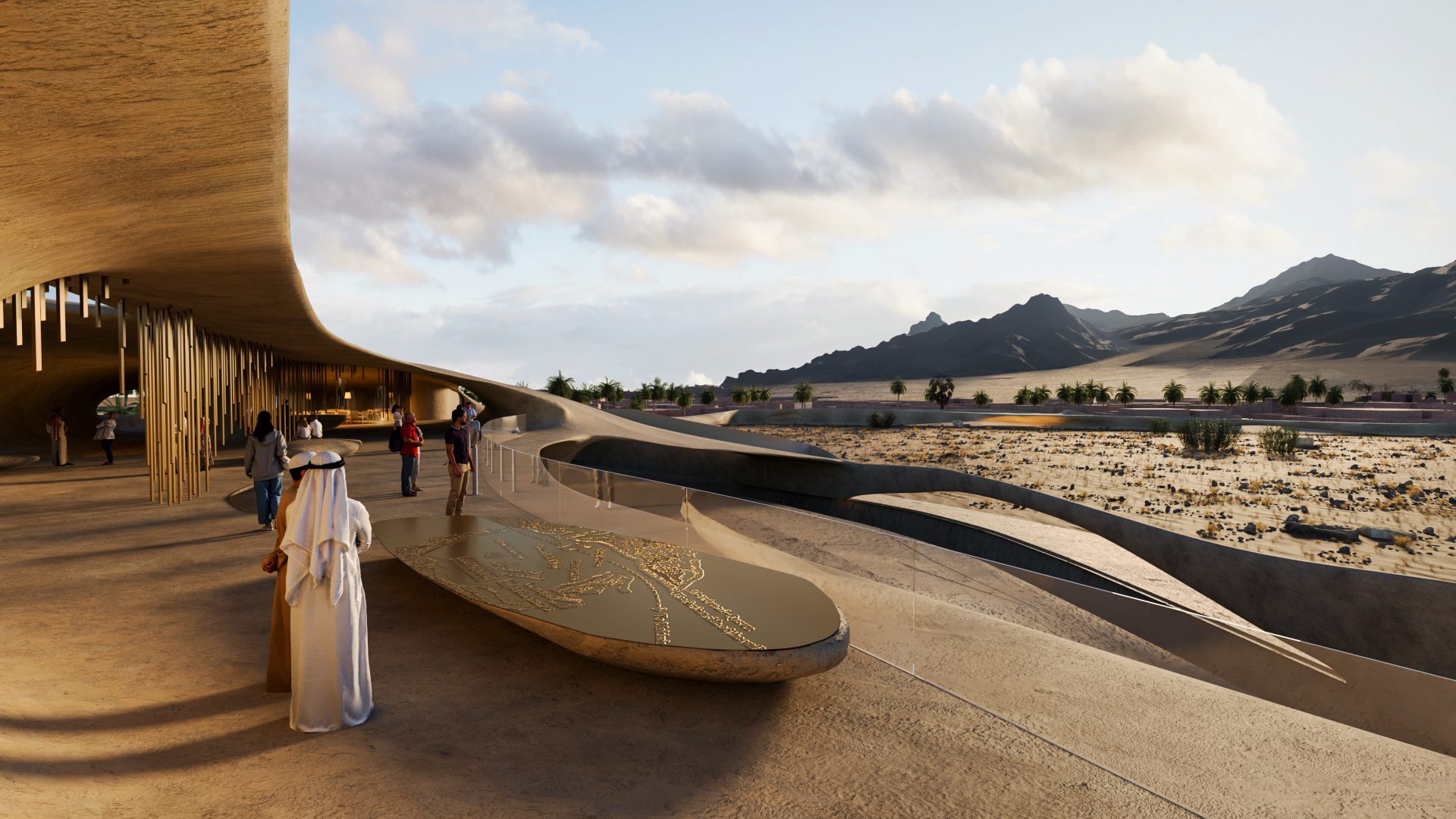
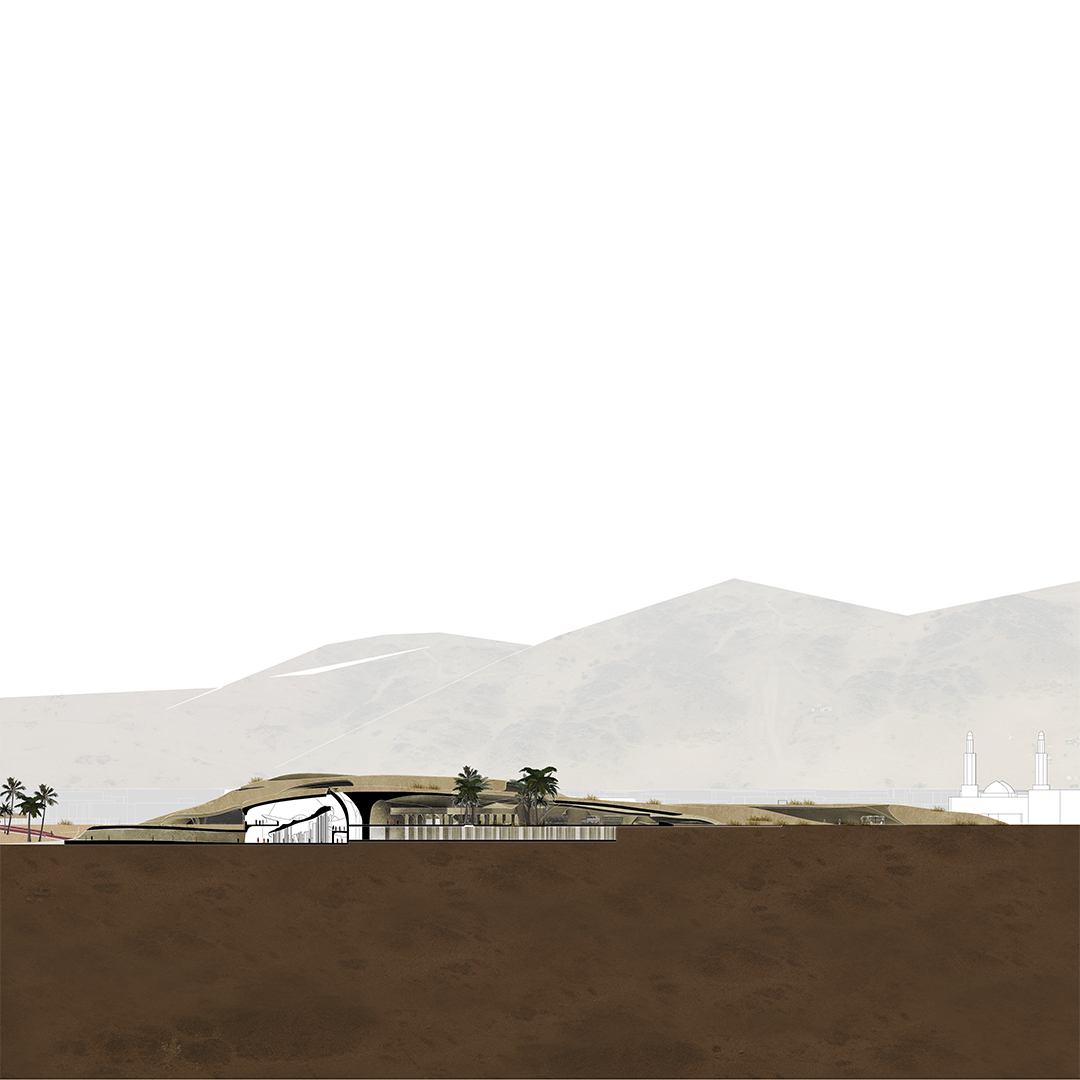
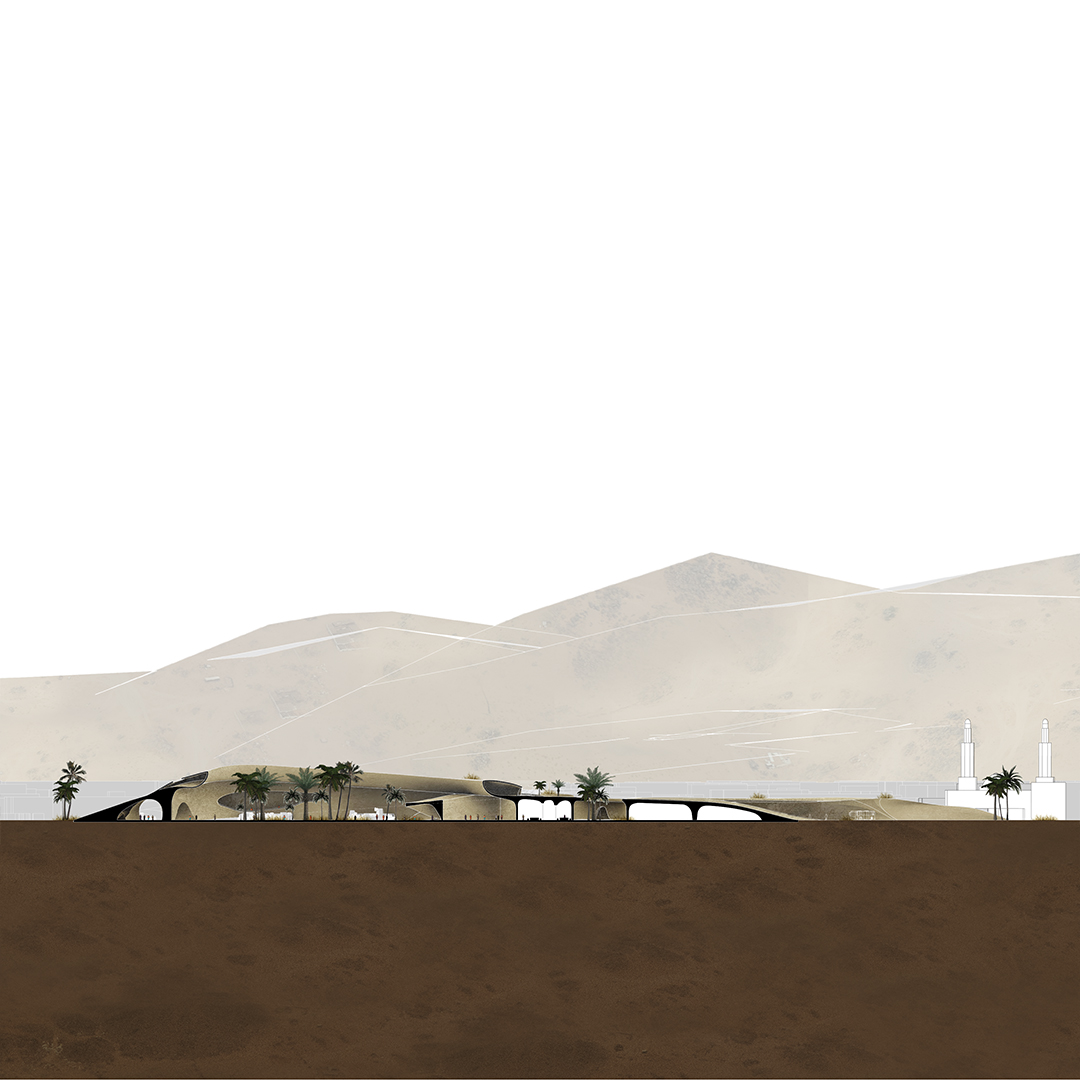
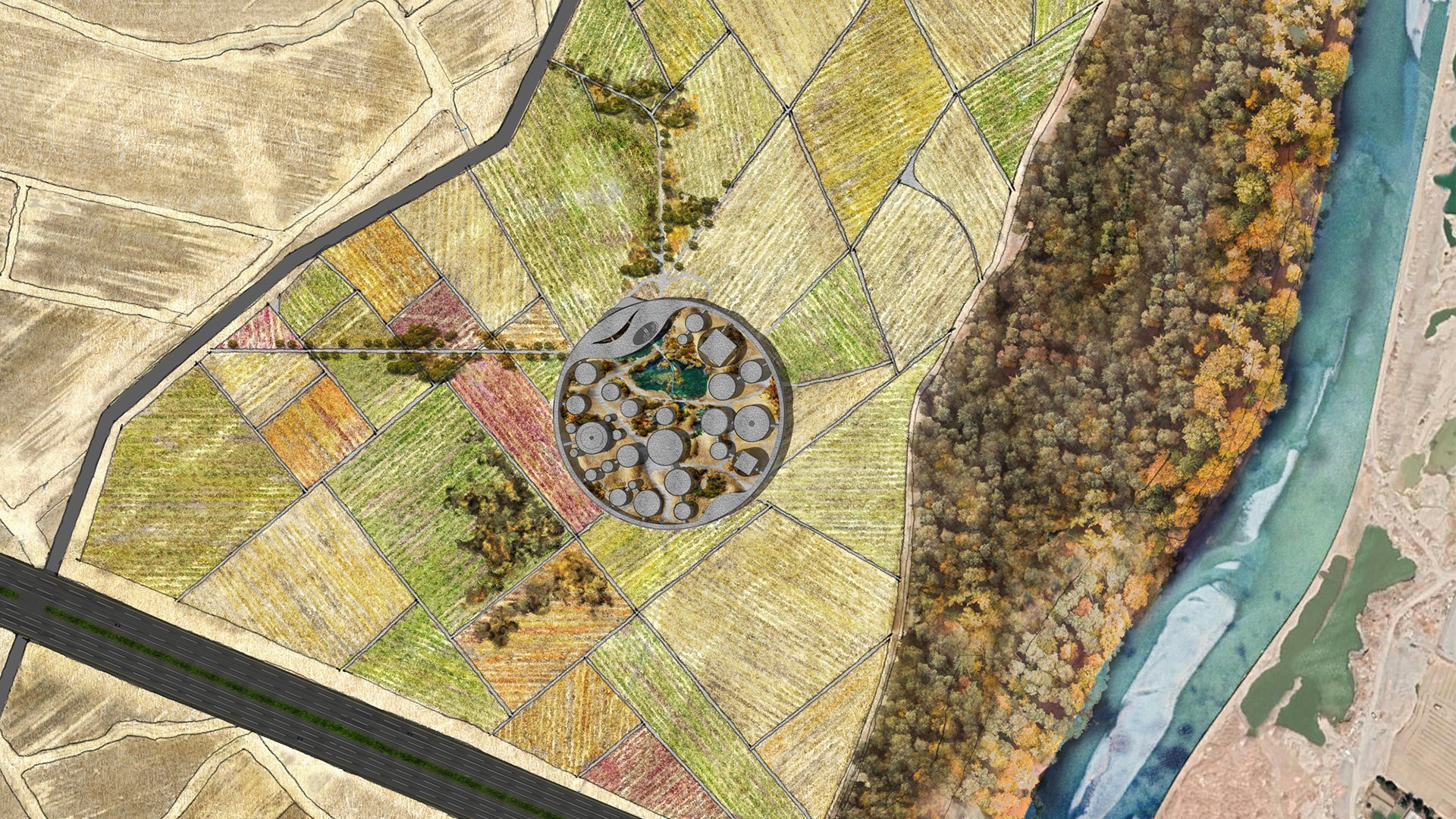
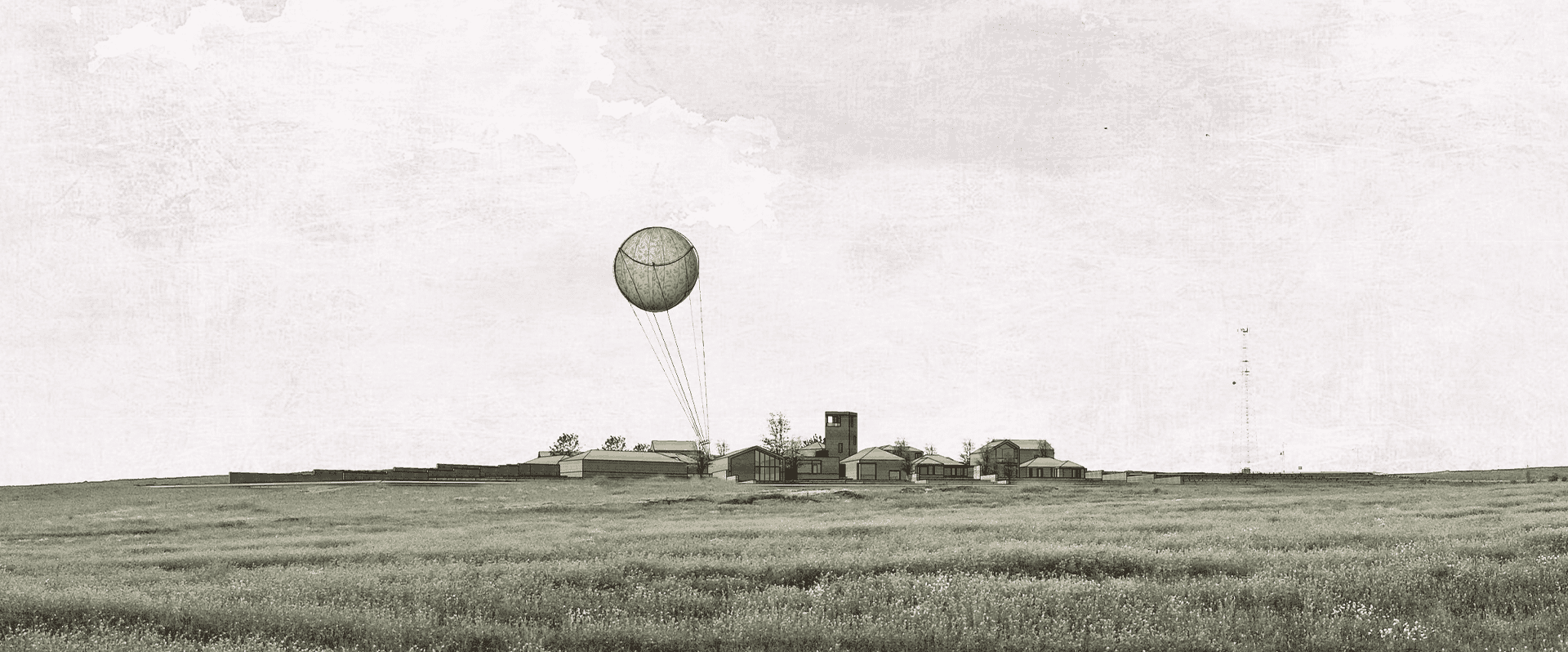
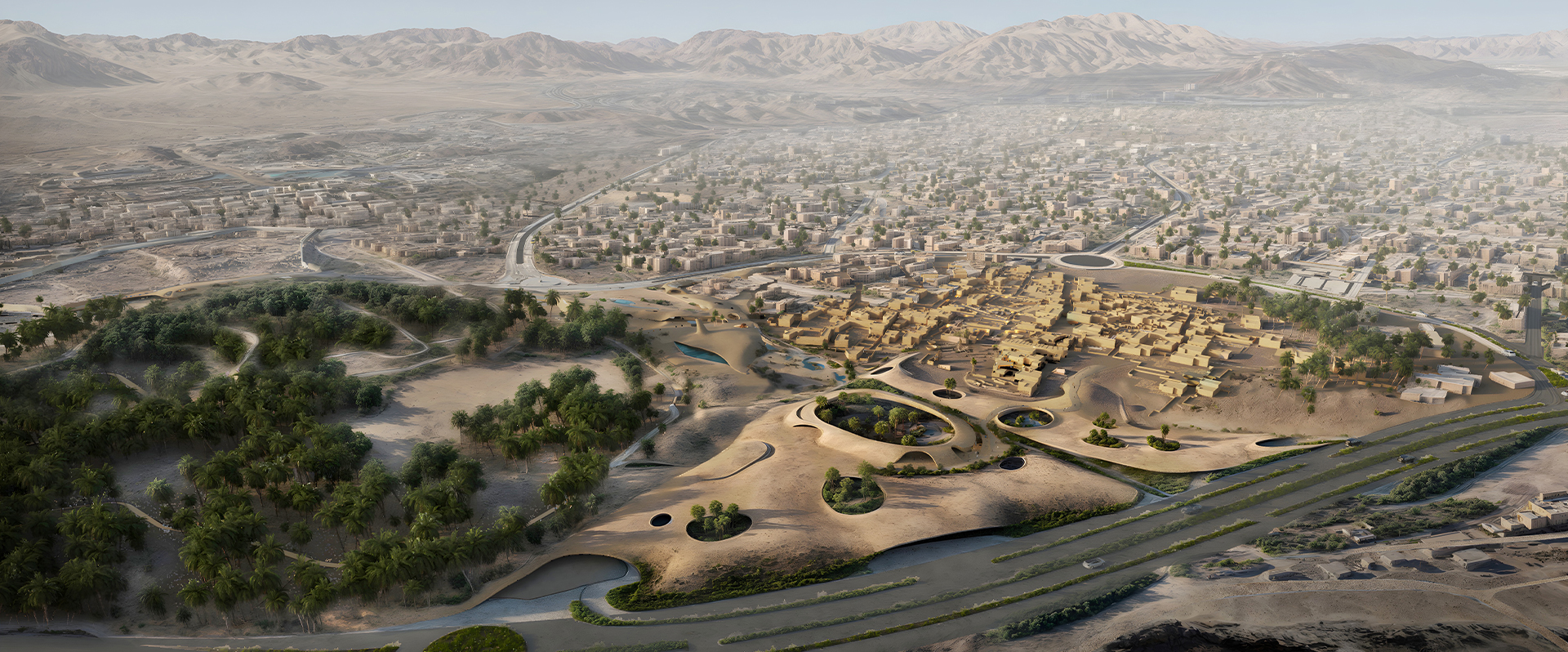
The site of Badri is defined by its rich natural and historical landscape, where the terrain is shaped by gentle dunes and mountainous ridges. It serves as a threshold between the landscape and holds immense cultural significance, especially due to its association with the Battle of Badr, a pivotal moment in Islamic history.
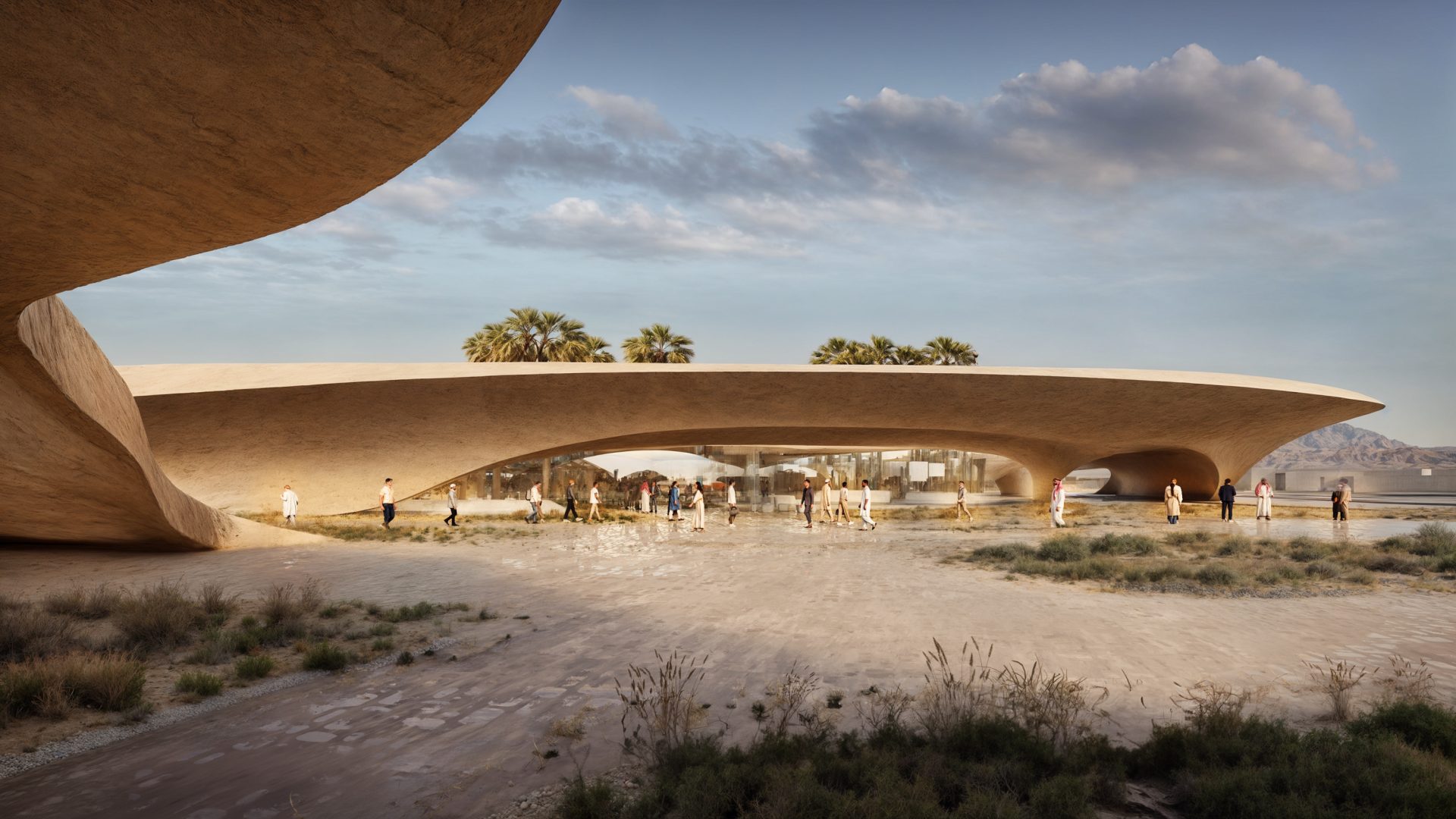
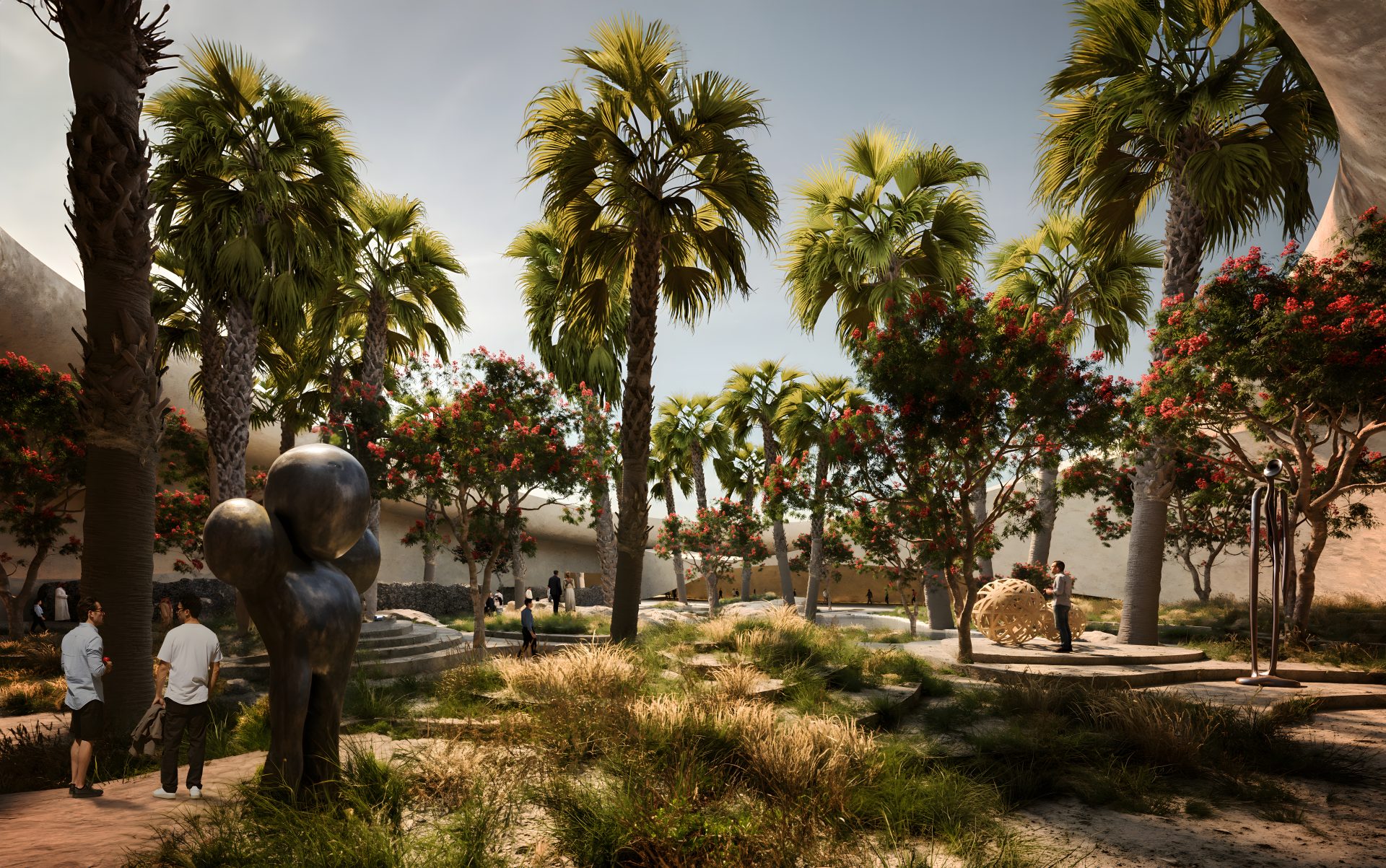
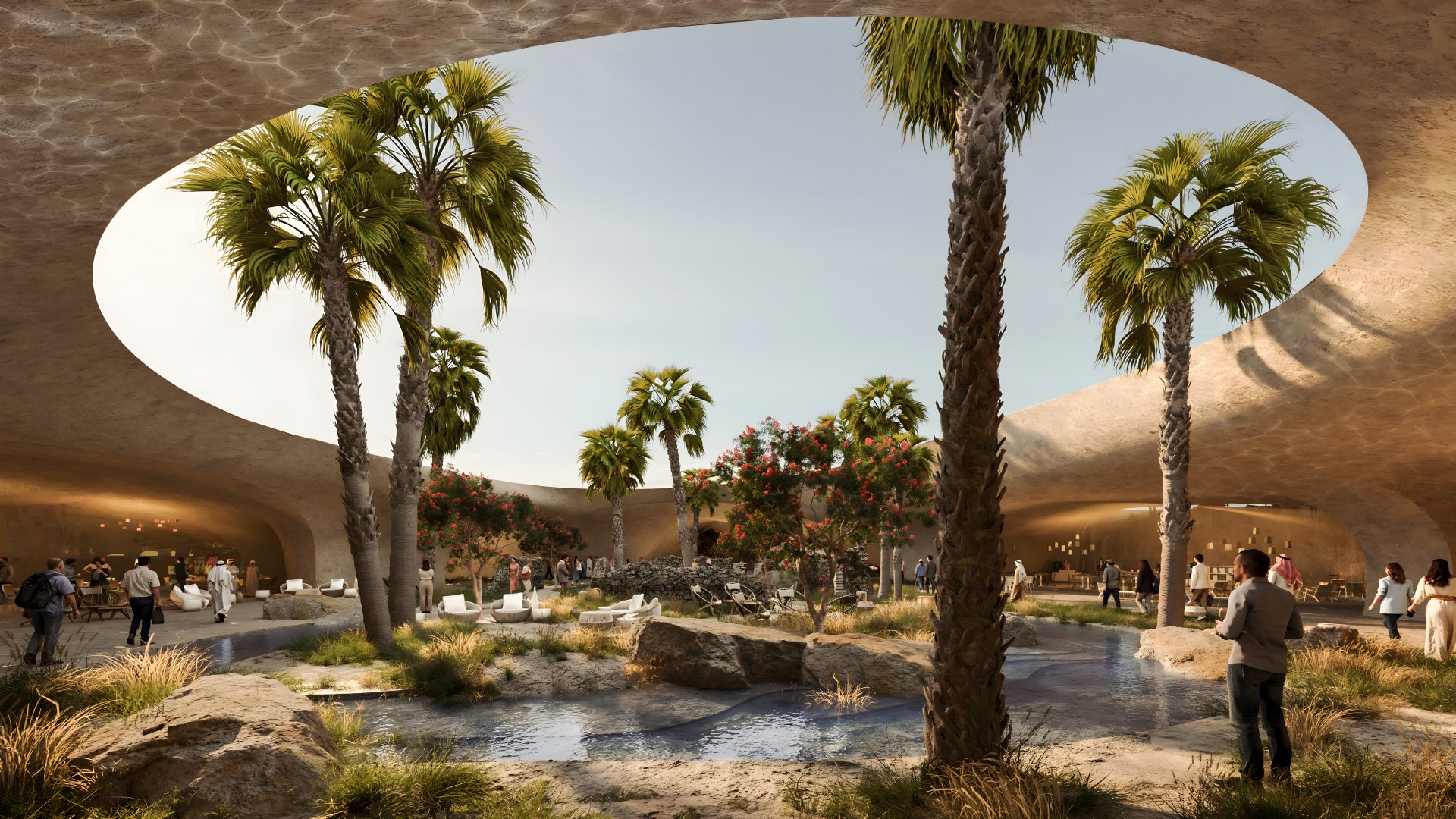
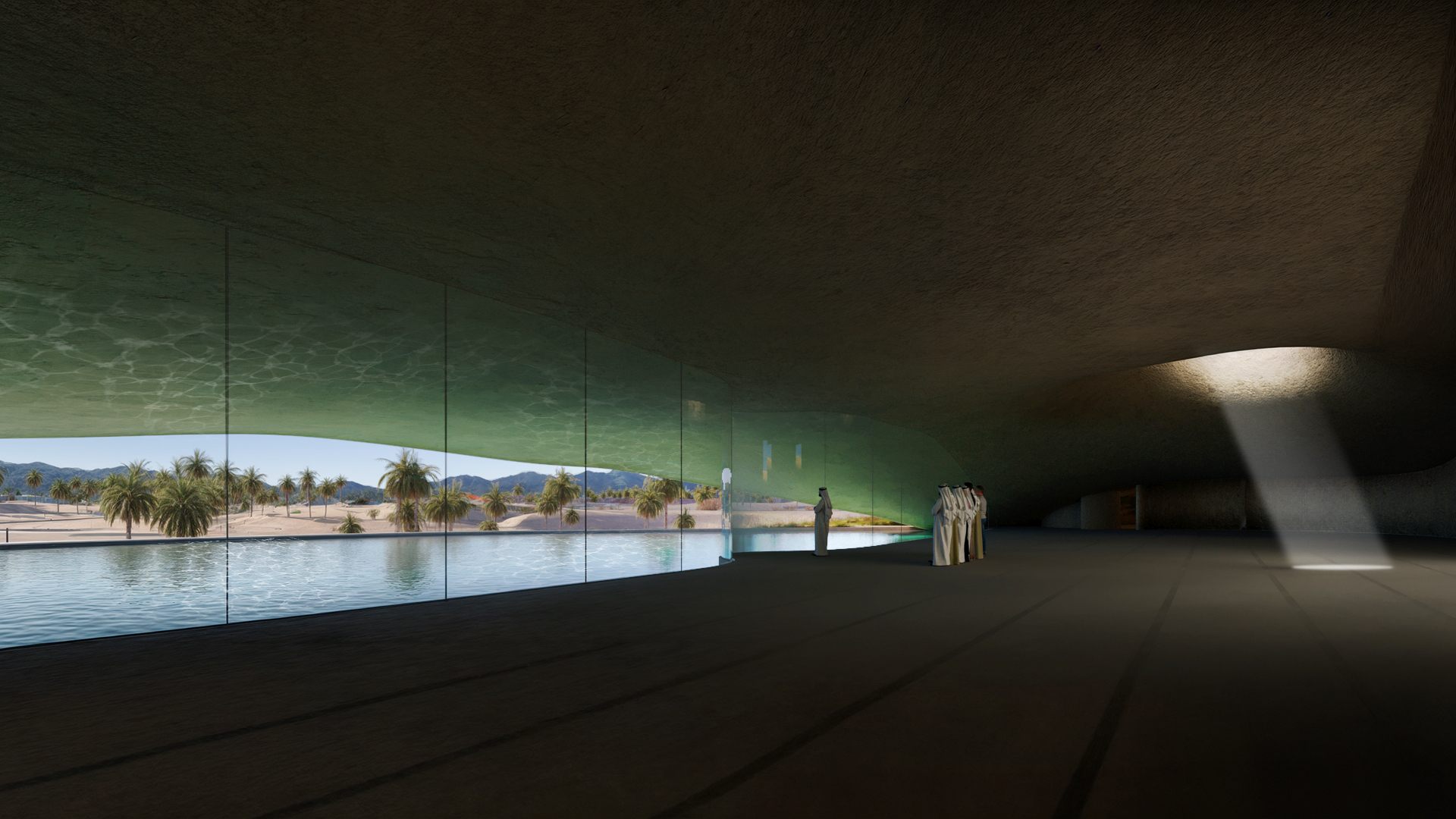
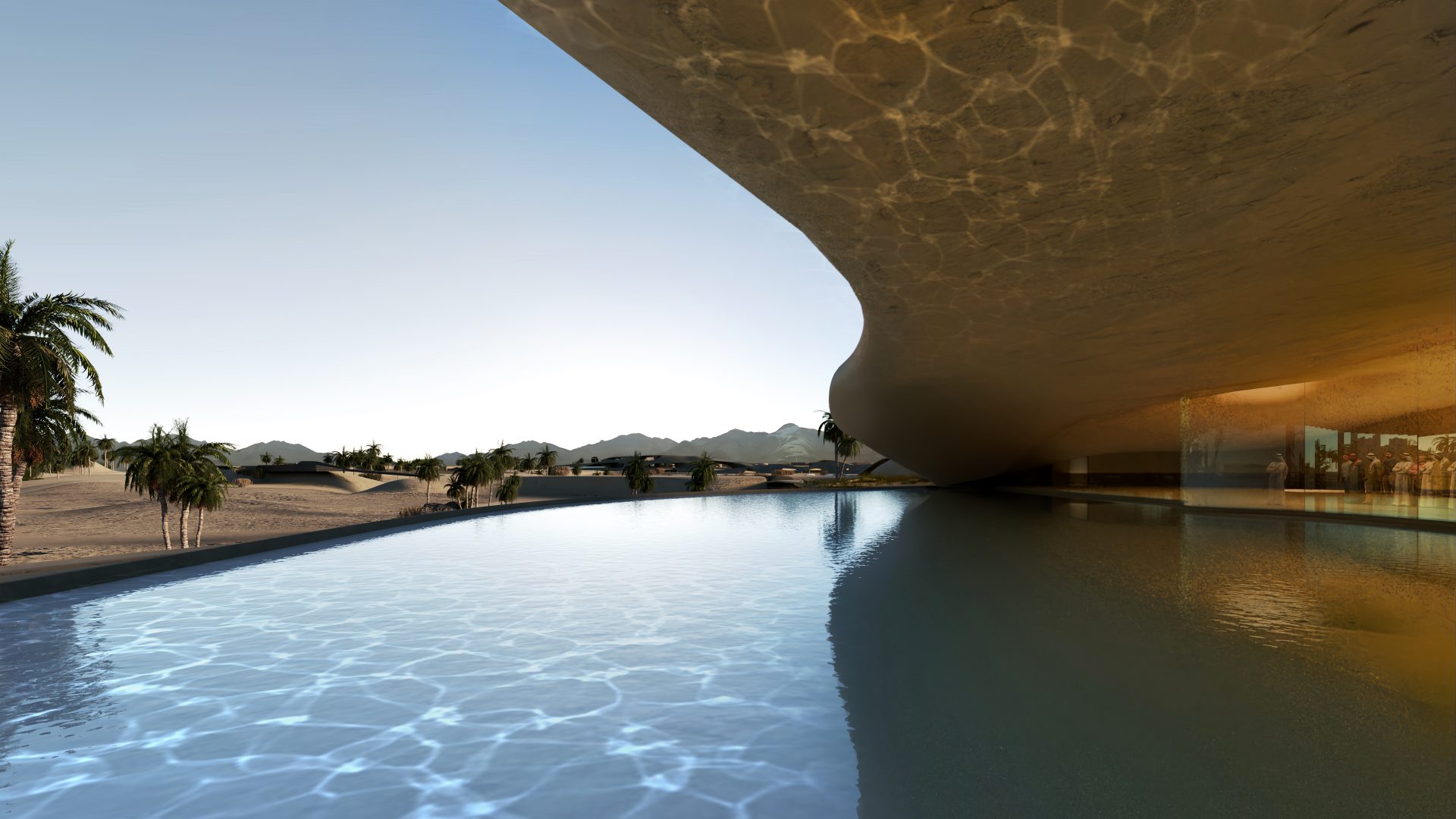
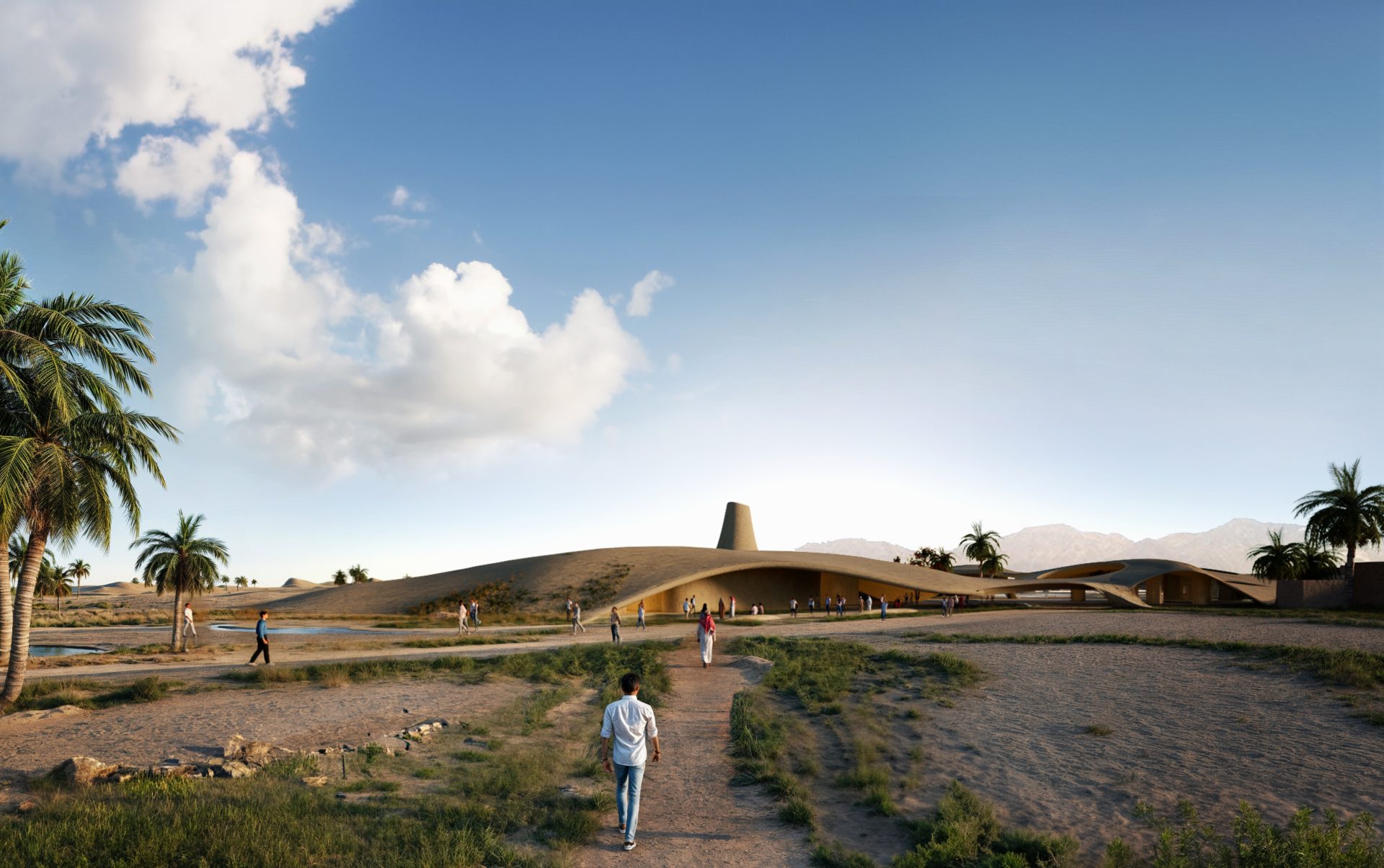
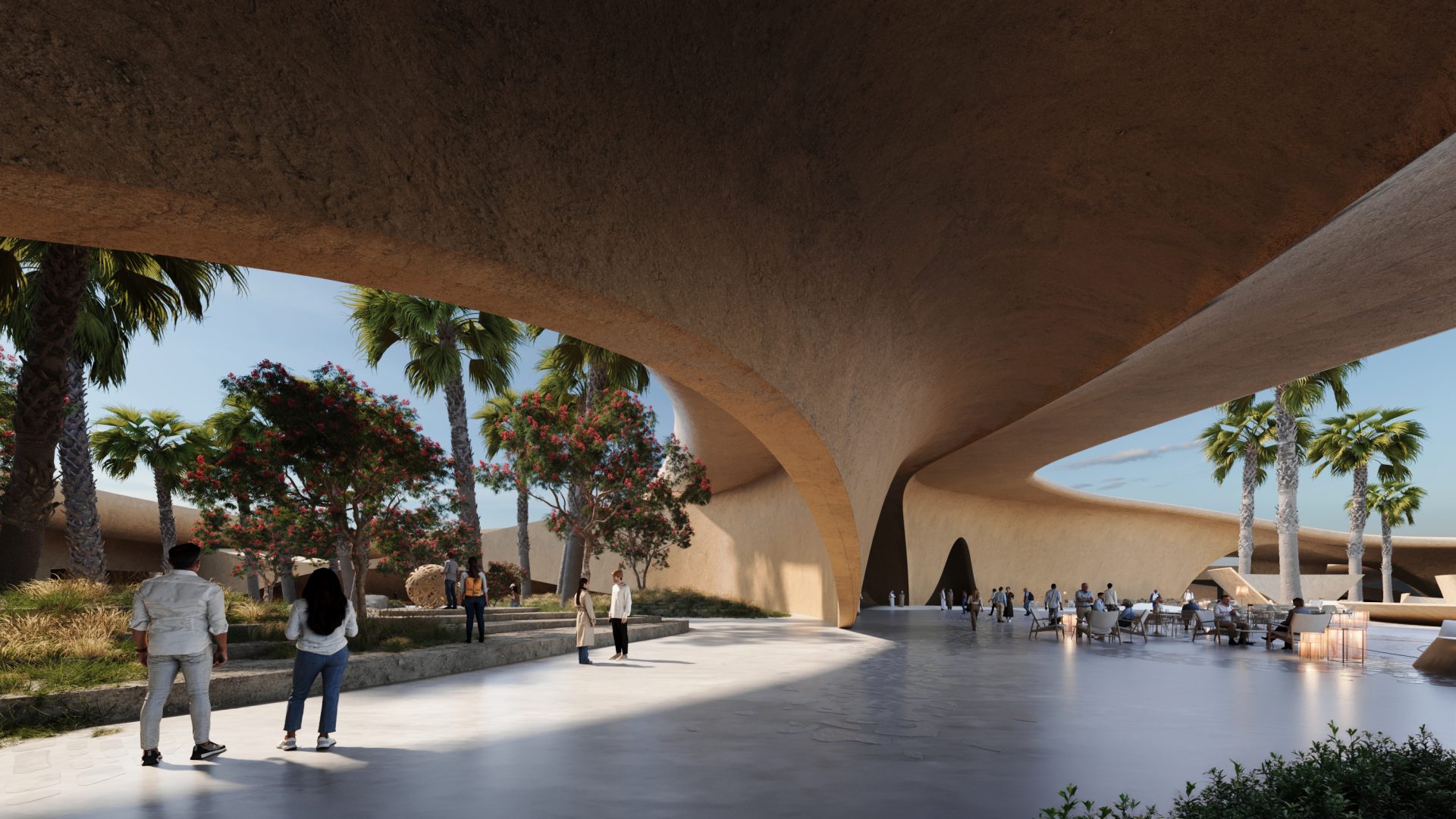
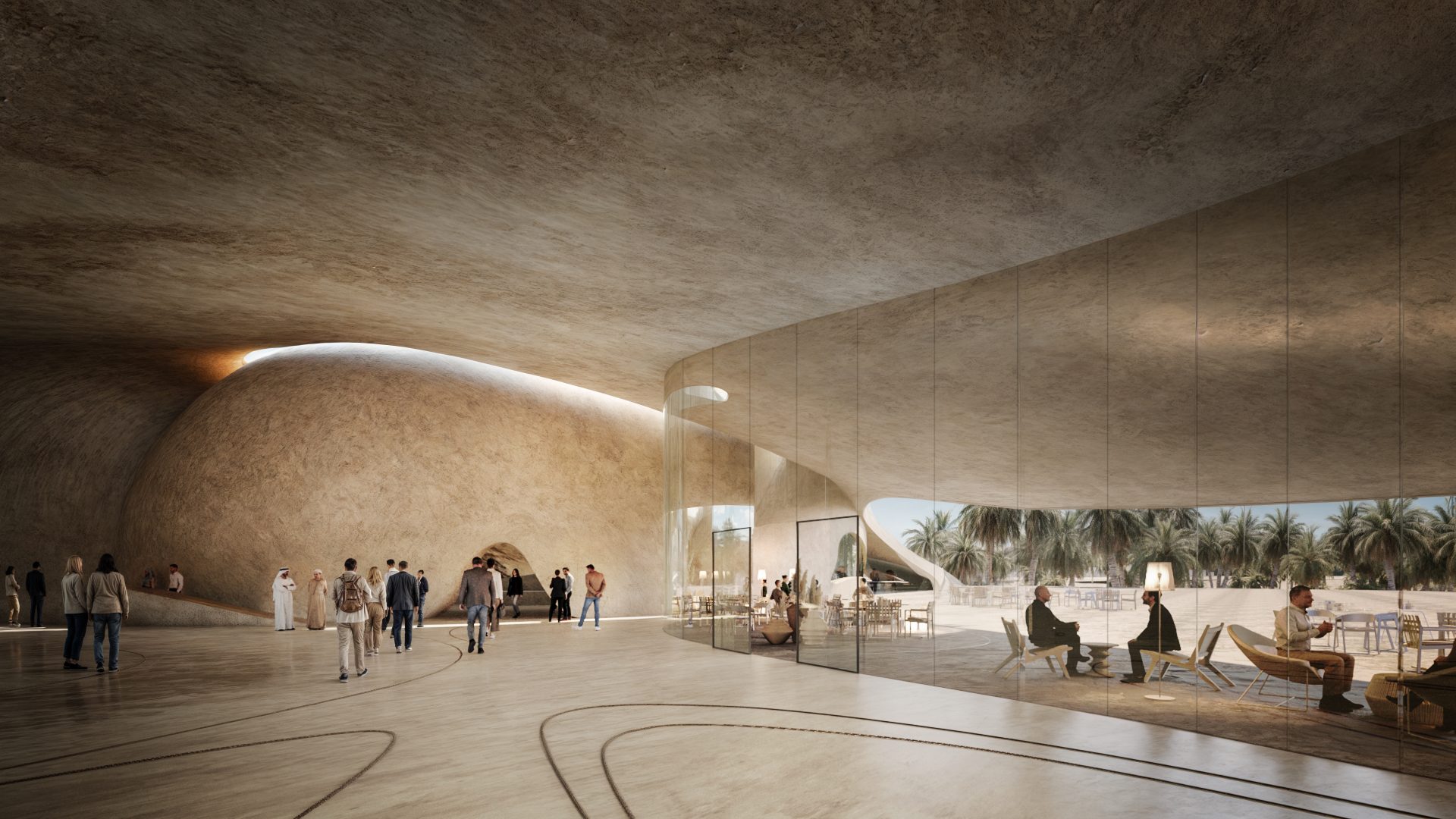
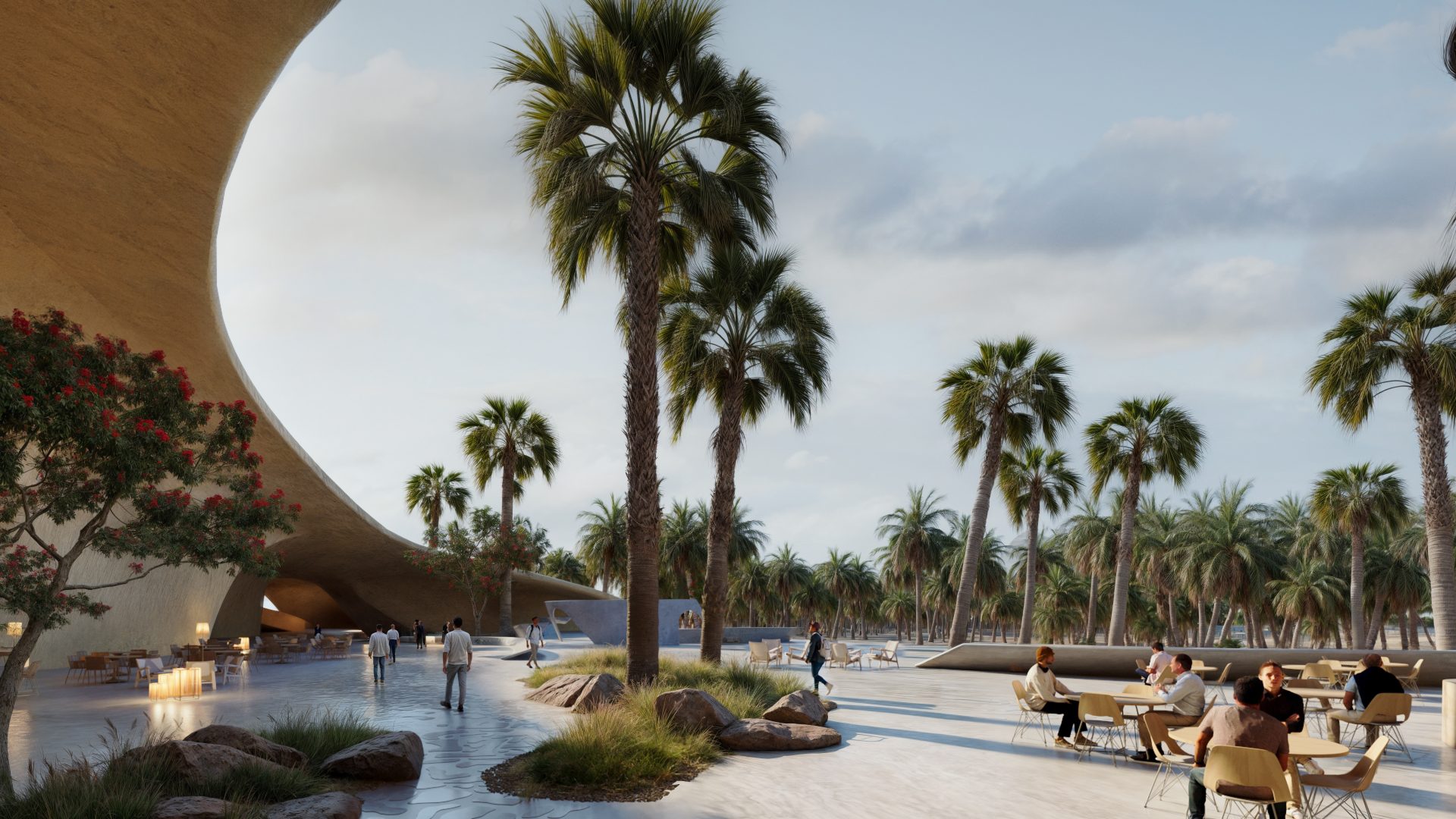
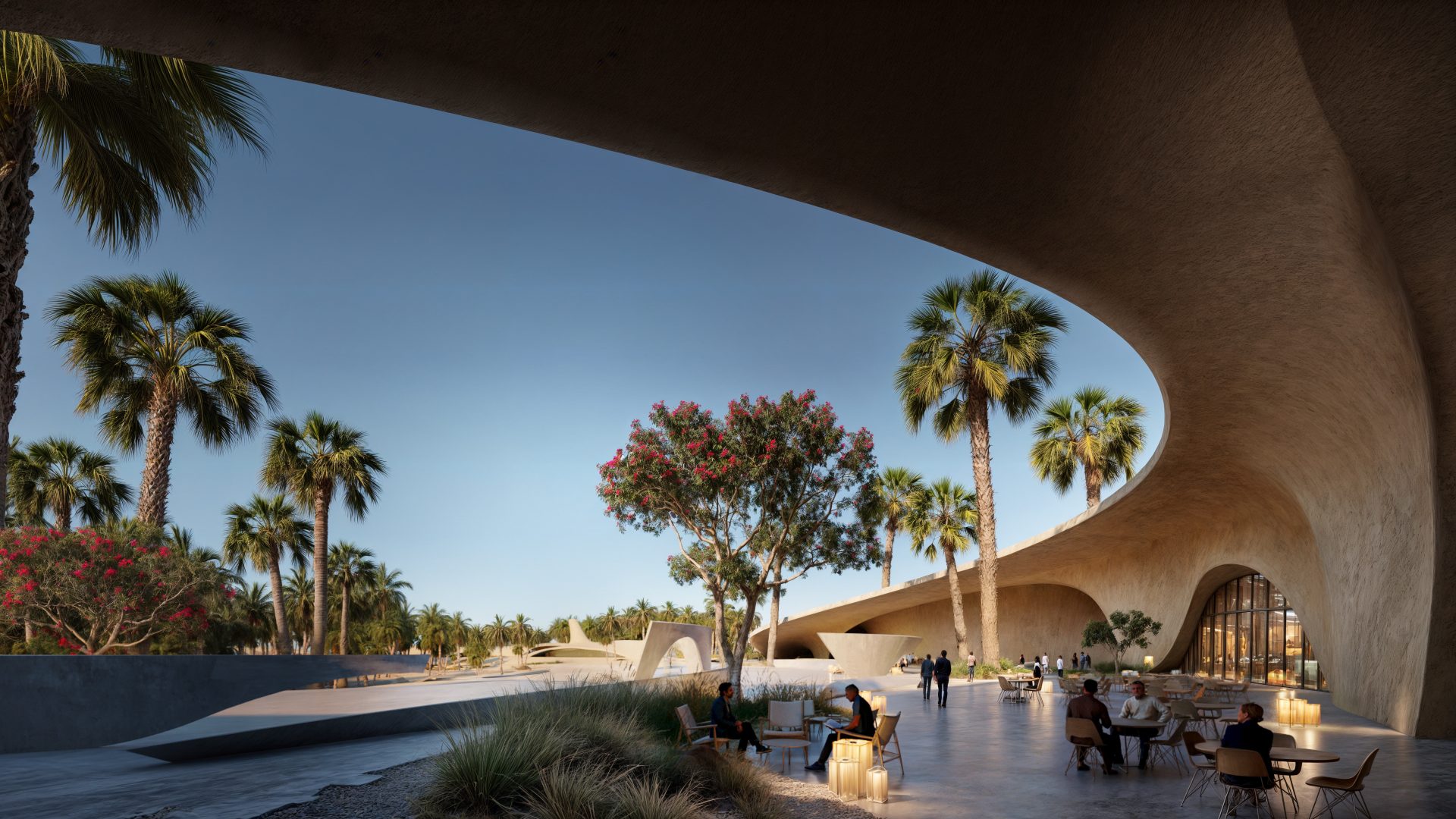
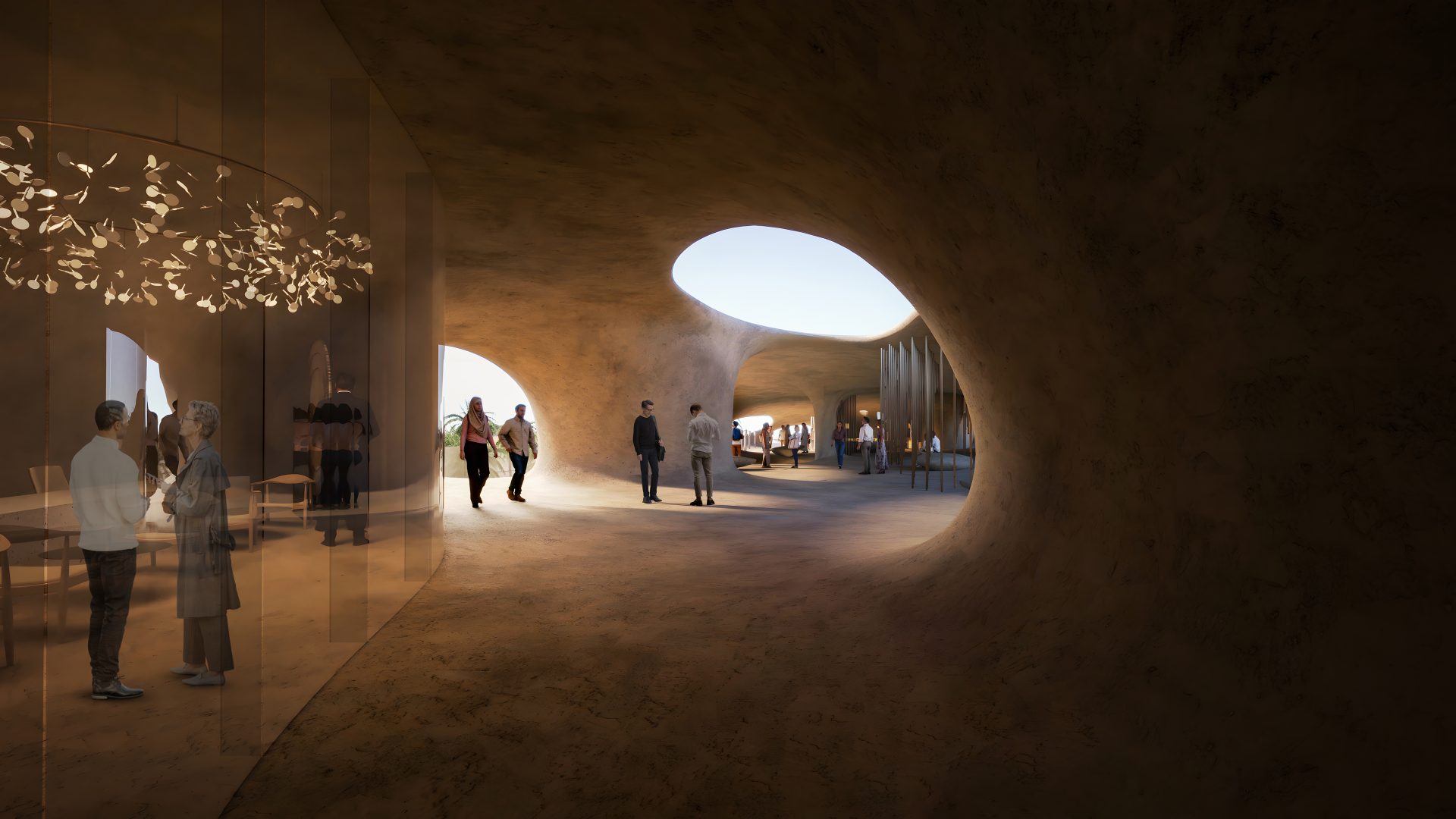
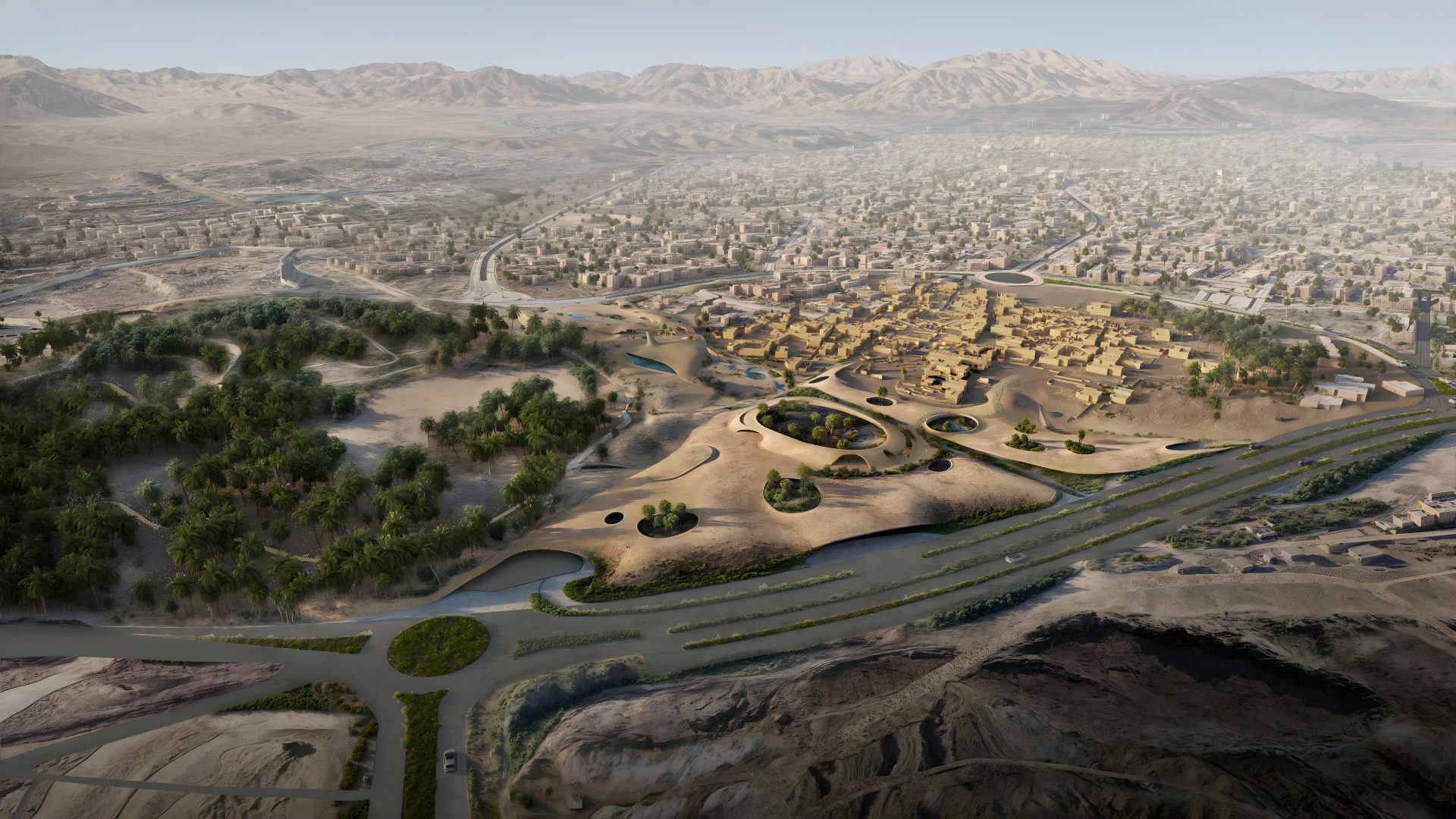
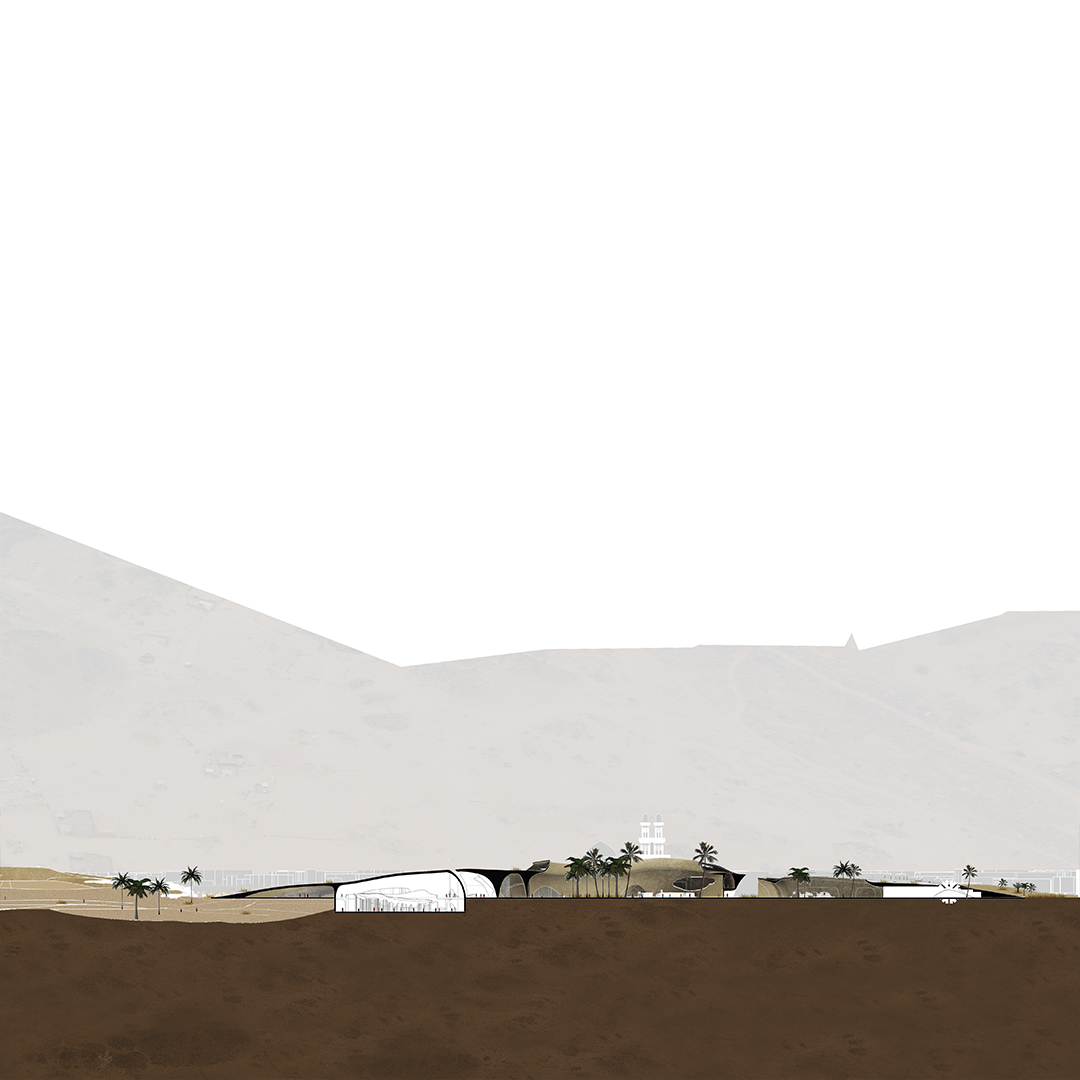
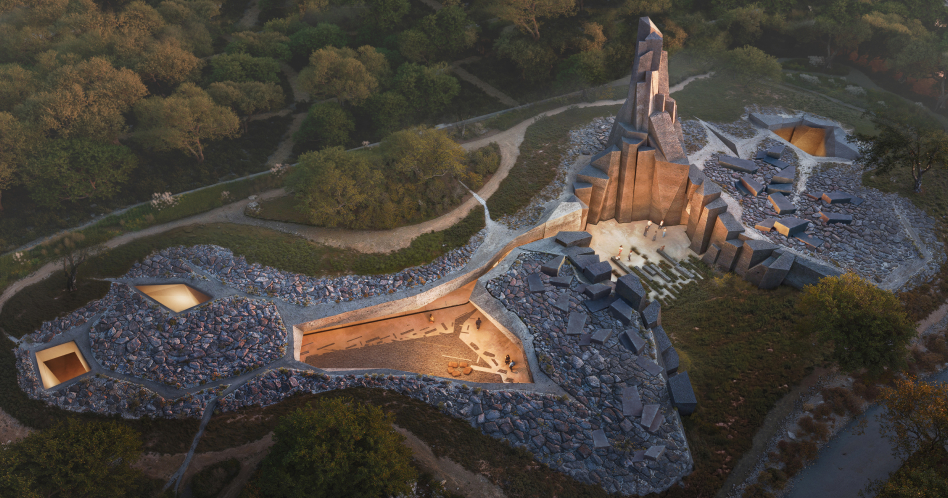
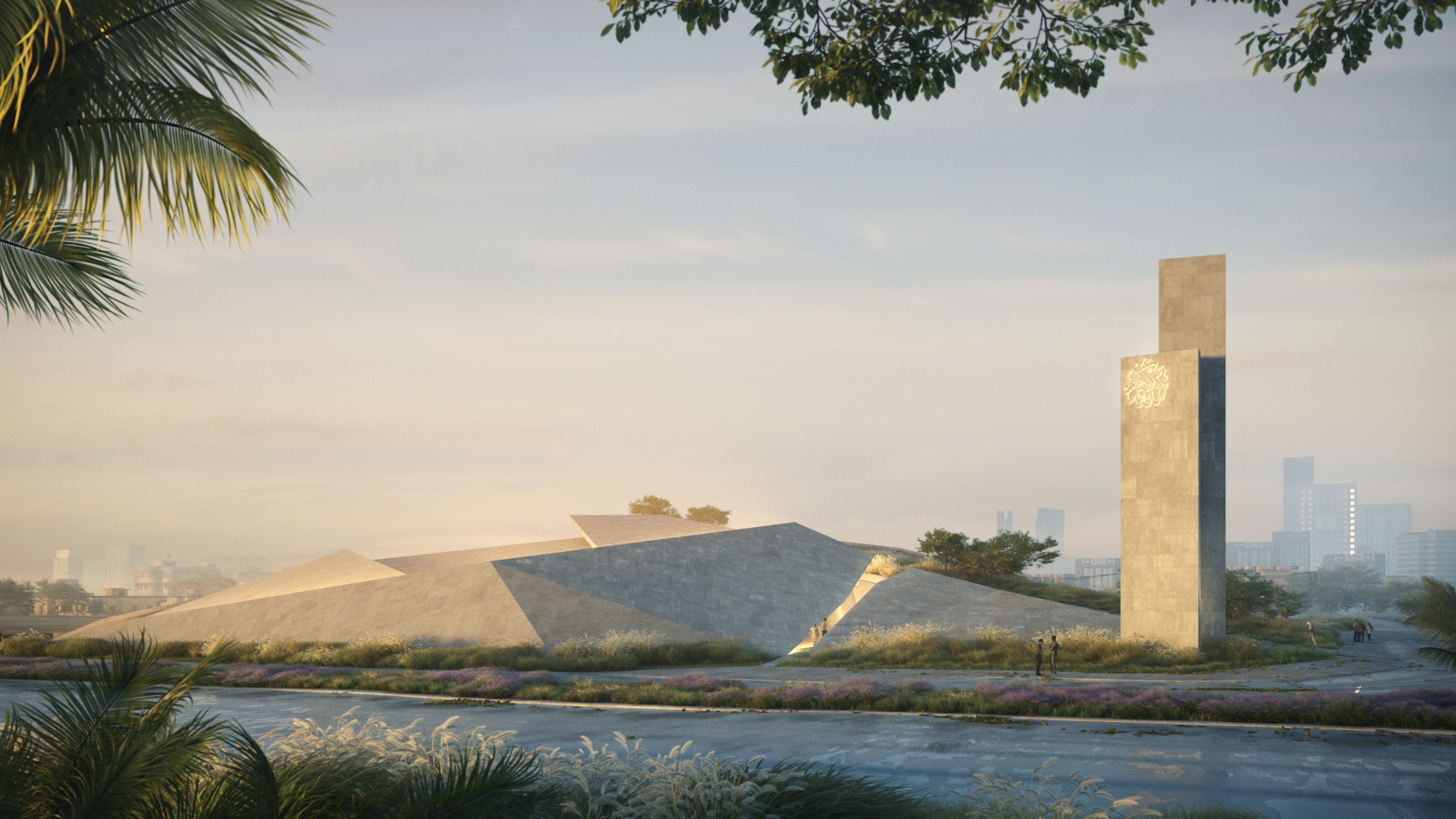
The project draws inspiration from the landscape, where the form of such dunes and mountains influences the design of the site. The intervention does not impose a traditional building but rather seeks to create a space that reflects the natural terrain, allowing the landscape to flow through the site, evoking the ever-changing movement of sand.
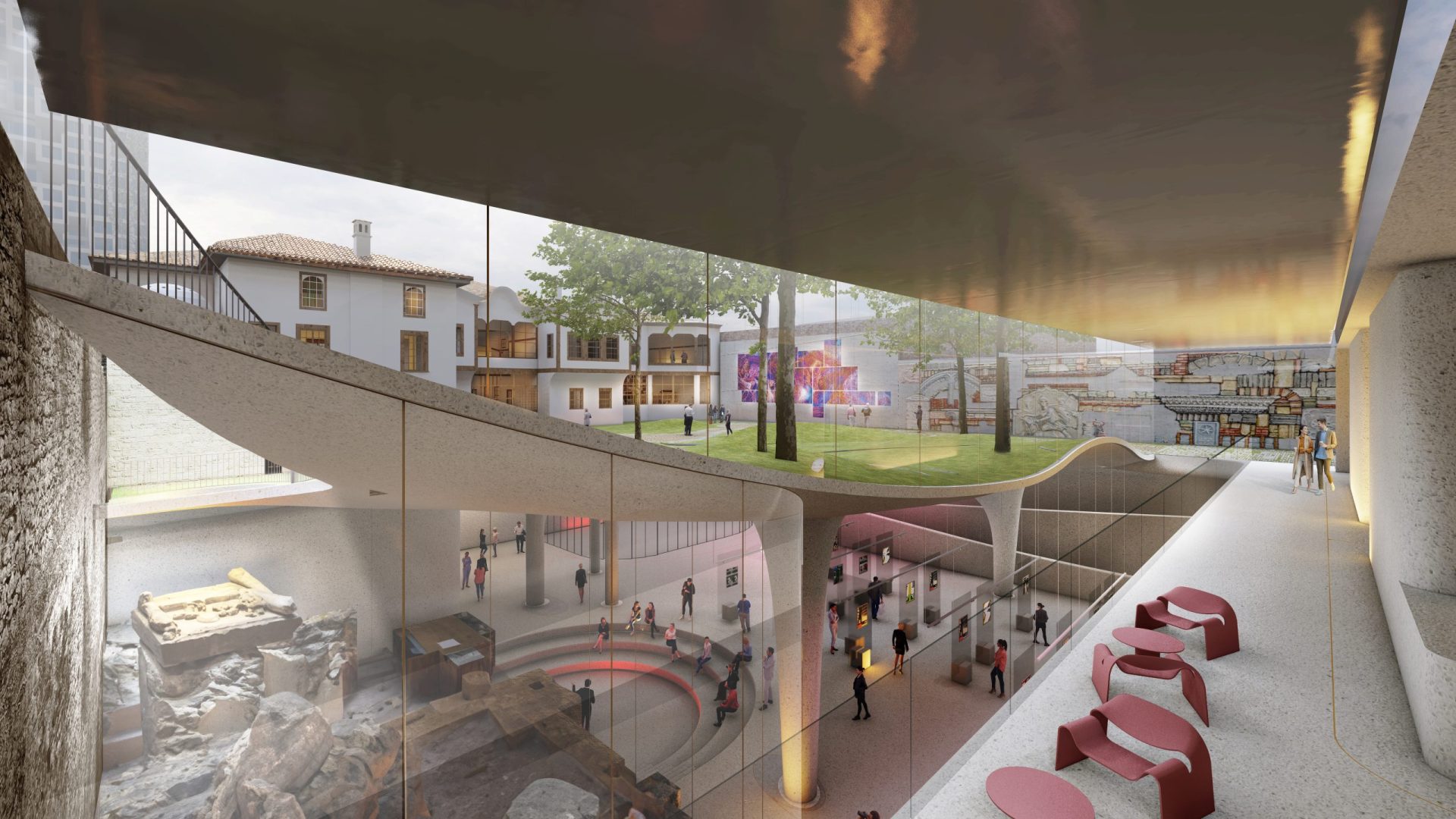
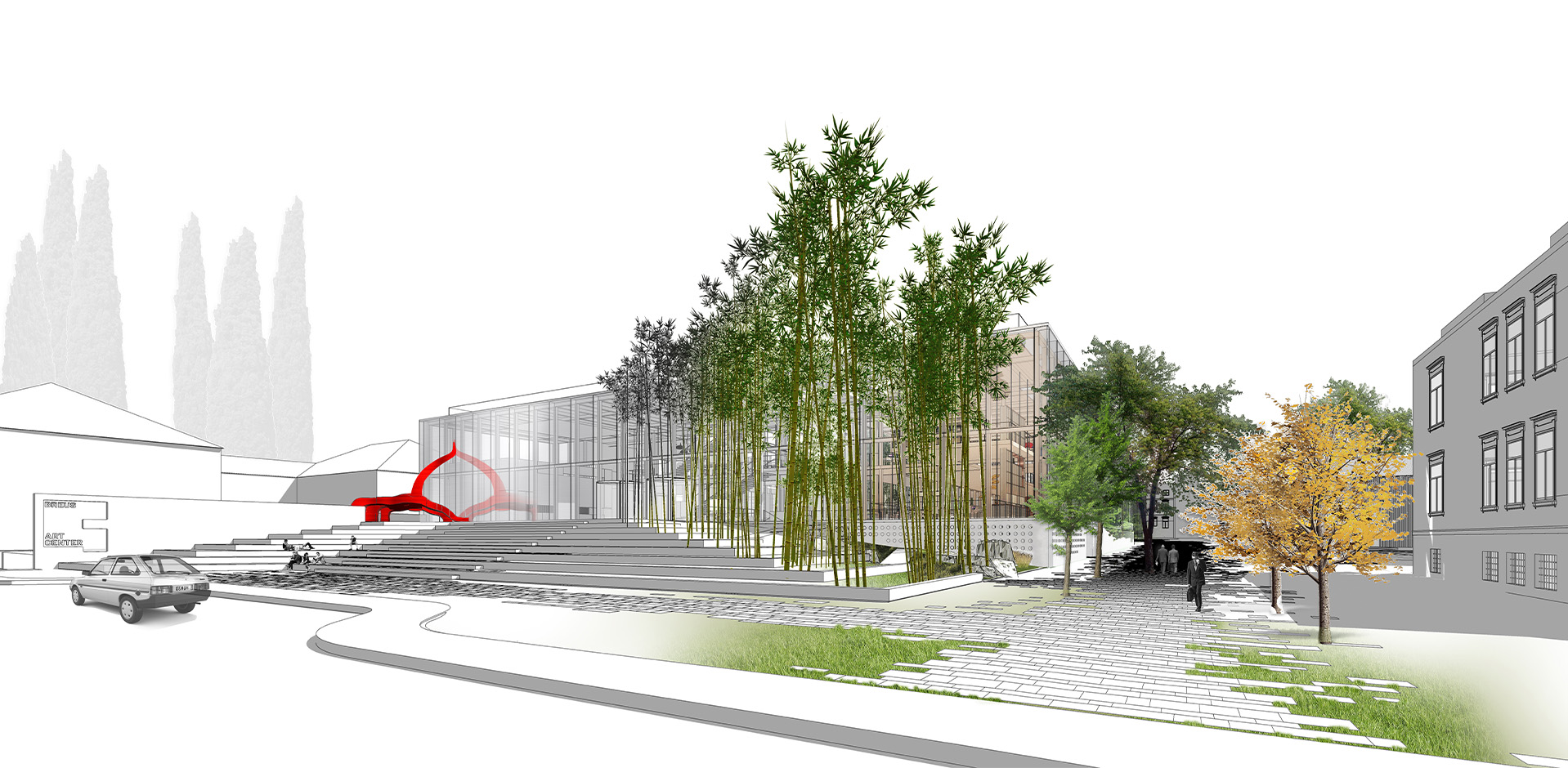
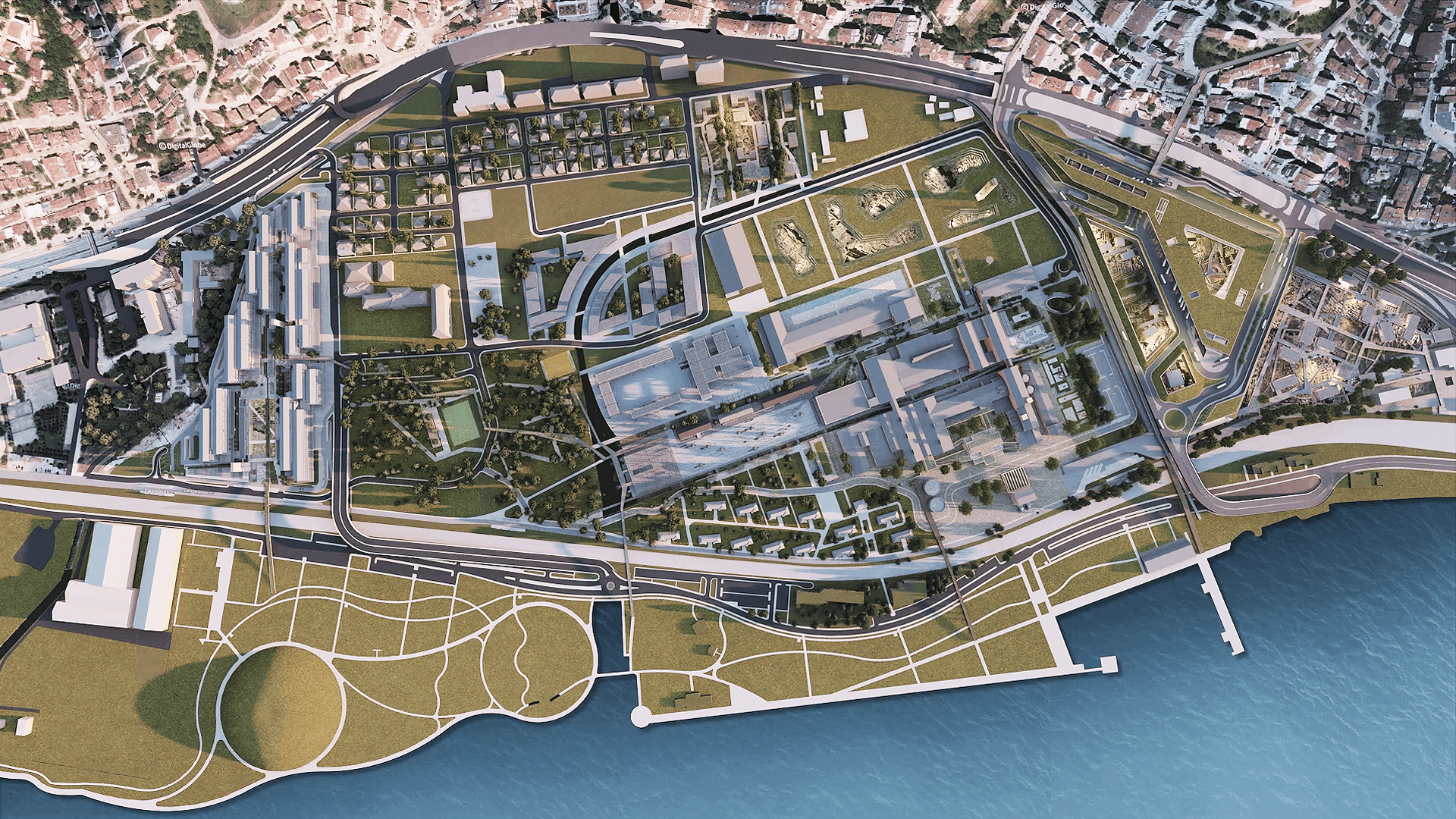
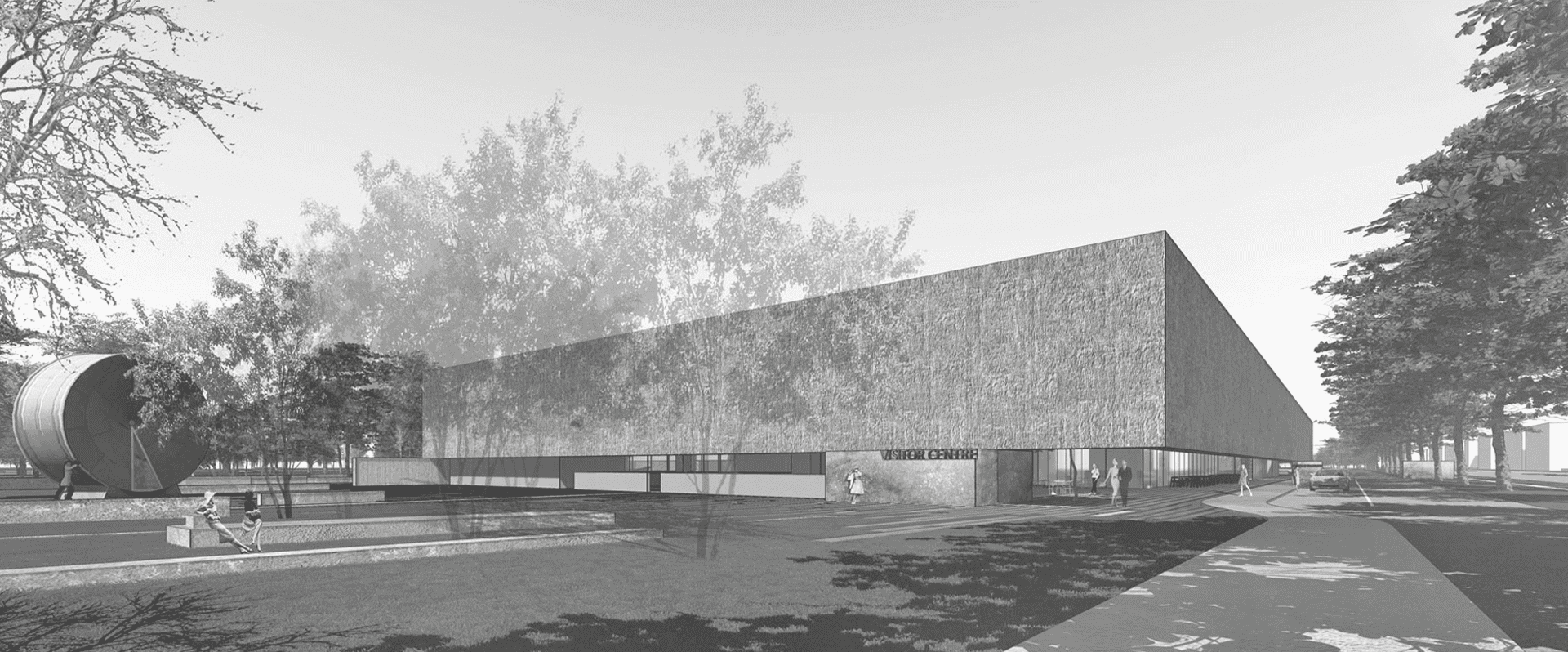
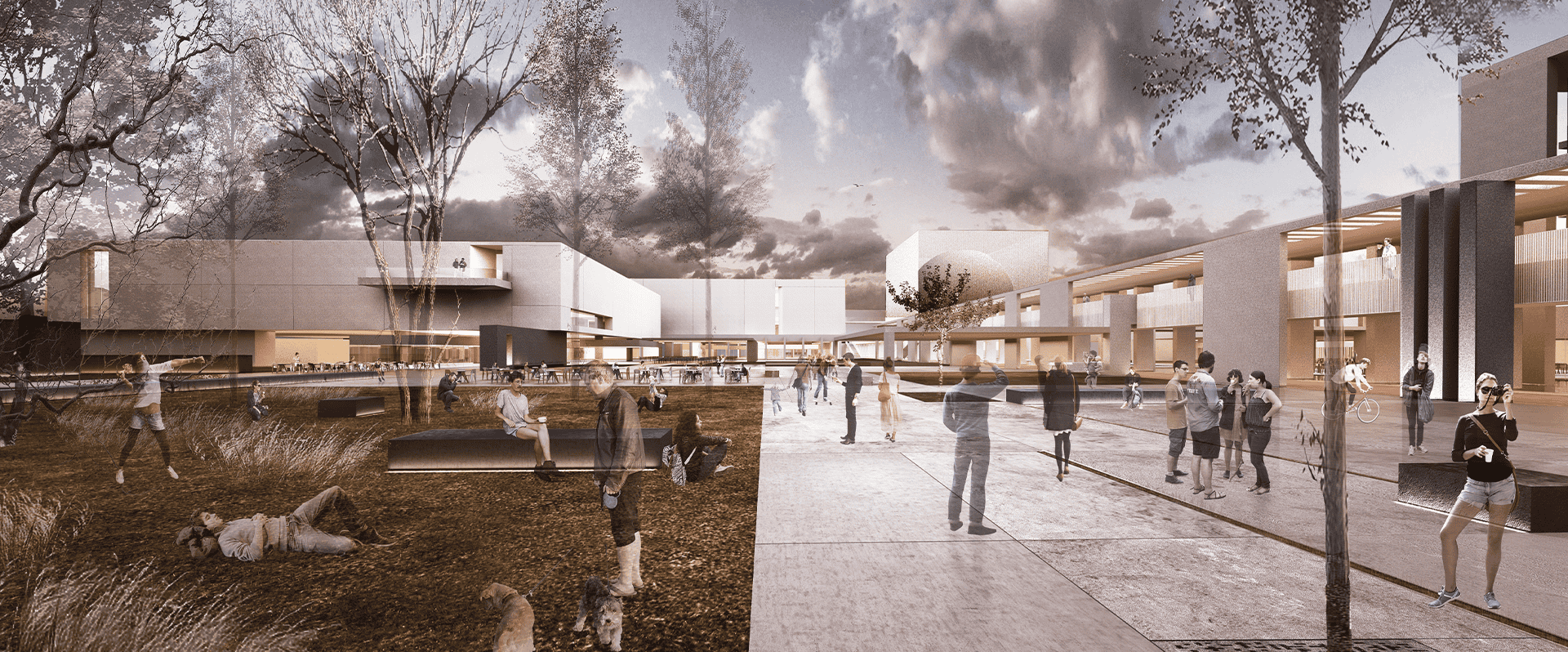
Aiming to create a cultural and historical hub that is both respectful of the past and ready to welcome both pilgrims and tourists – the master planning approach focuses on integrating the site’s natural and urban fabric, considering the existing Old Town, its ruins, and the surrounding topography. This holistic development aims to preserve the town’s integrity while accommodating future growth by including a Historic Museum and Visitor Centre.
A key aspect of the design is the concept of “Open Planning,” which allows for the gradual transformation of the surrounding neighborhoods. This approach encourages local residents to actively participate in the development process, preserving their town’s historic character while enabling the integration of modern urban programs. Essential to this process are four guiding principles: continuity of planning, maintaining a strong public realm, ensuring community distinctiveness, and including the community in decision-making.
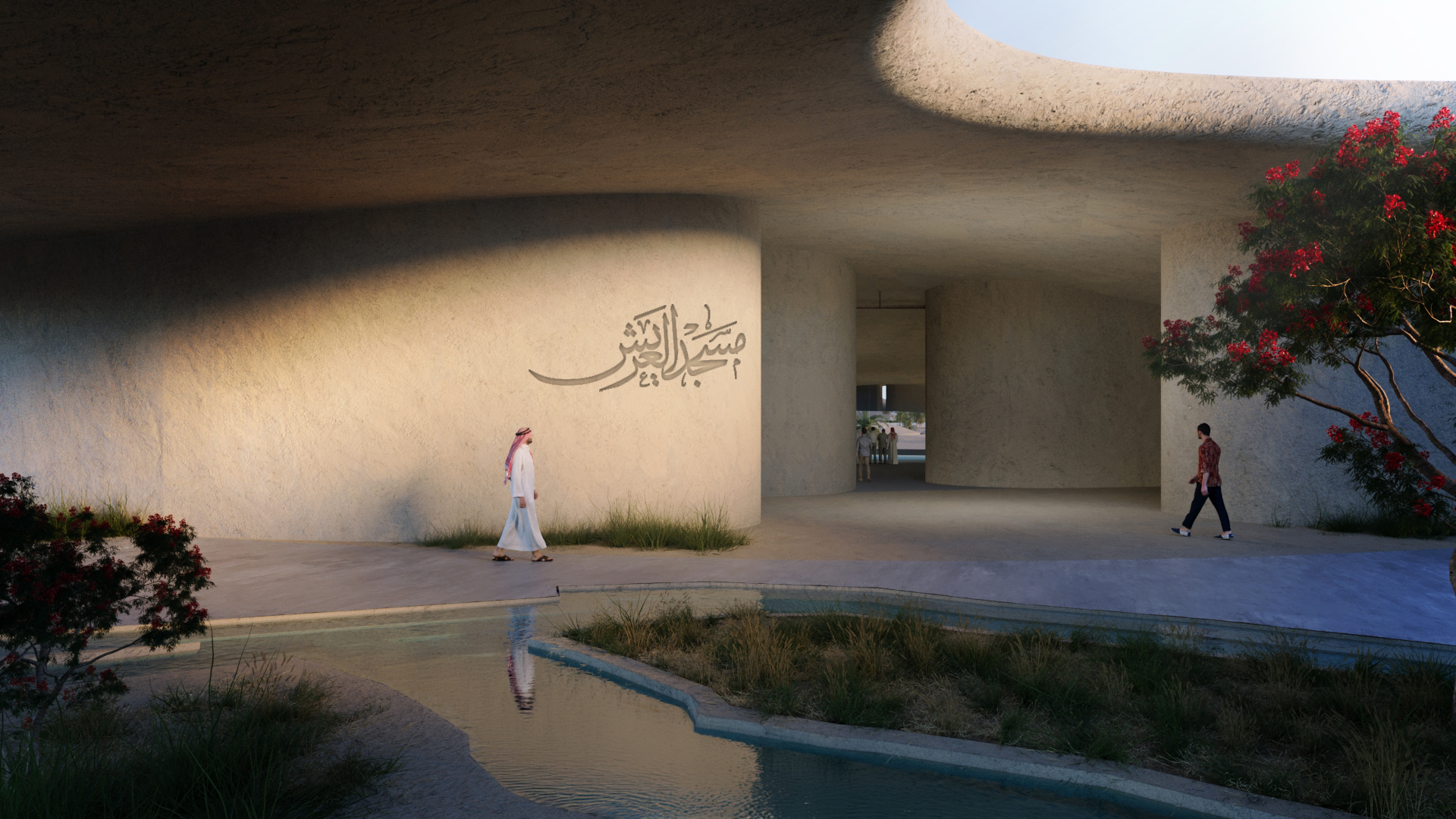
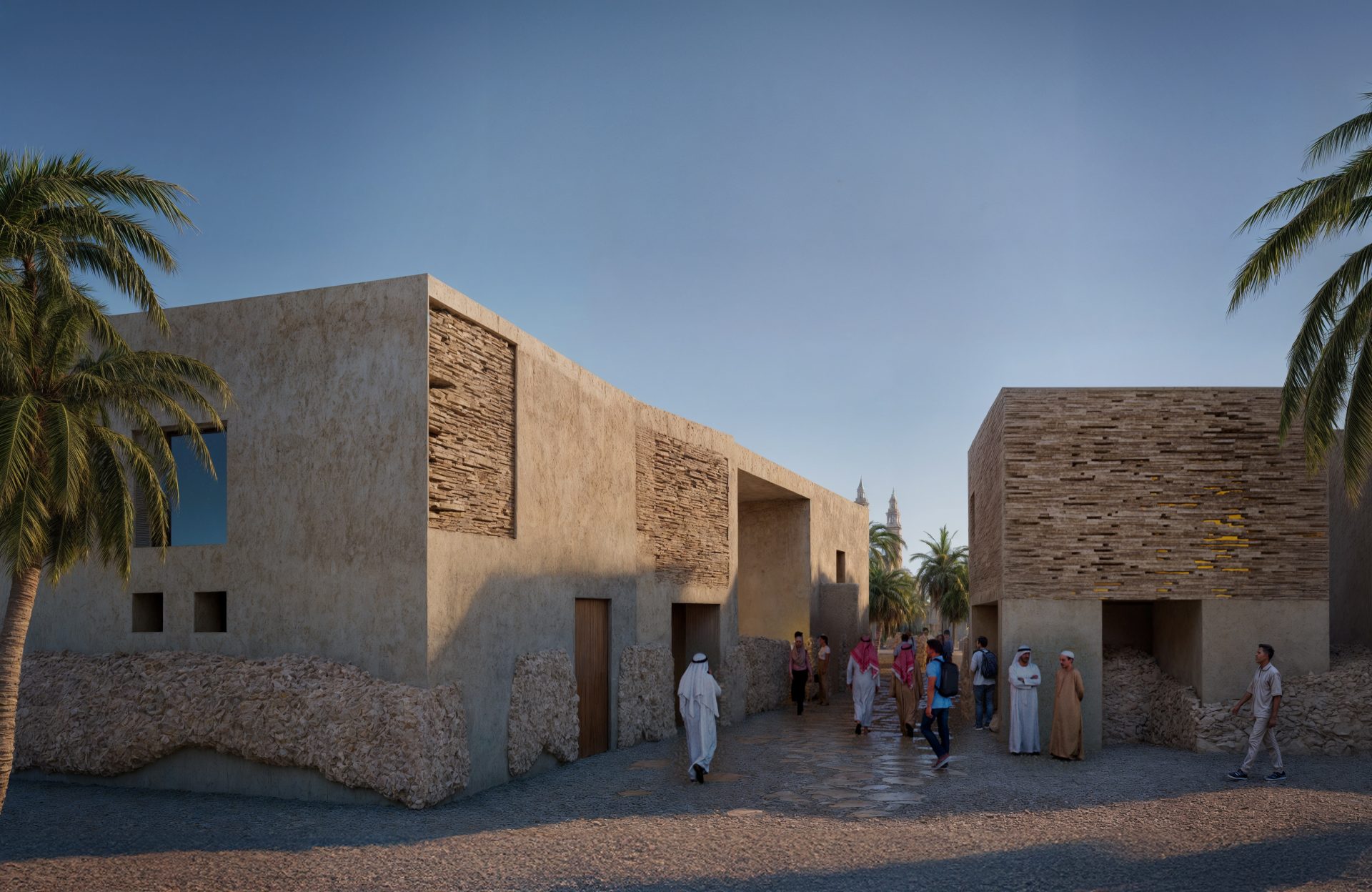
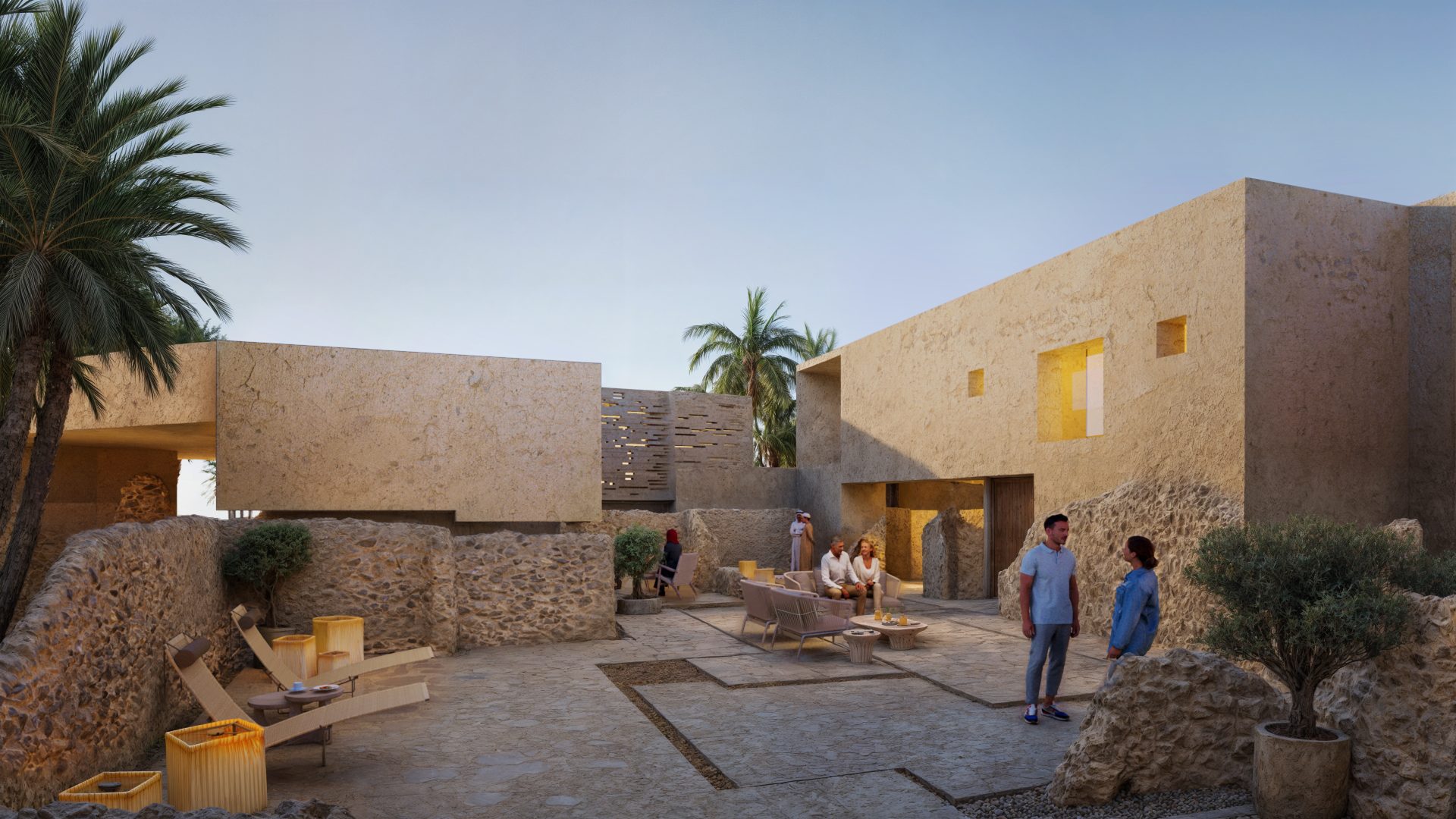
The design will also address the integration of the historic bazaar and urban fabric with new housing and services. A focus will be placed on maintaining traditional construction techniques and materials, while also promoting local production and crafts. specialised zones for bazaars, souks, galleries, and boutique hotels will support the cultural heritage of Badri and the surrounding Najd region.
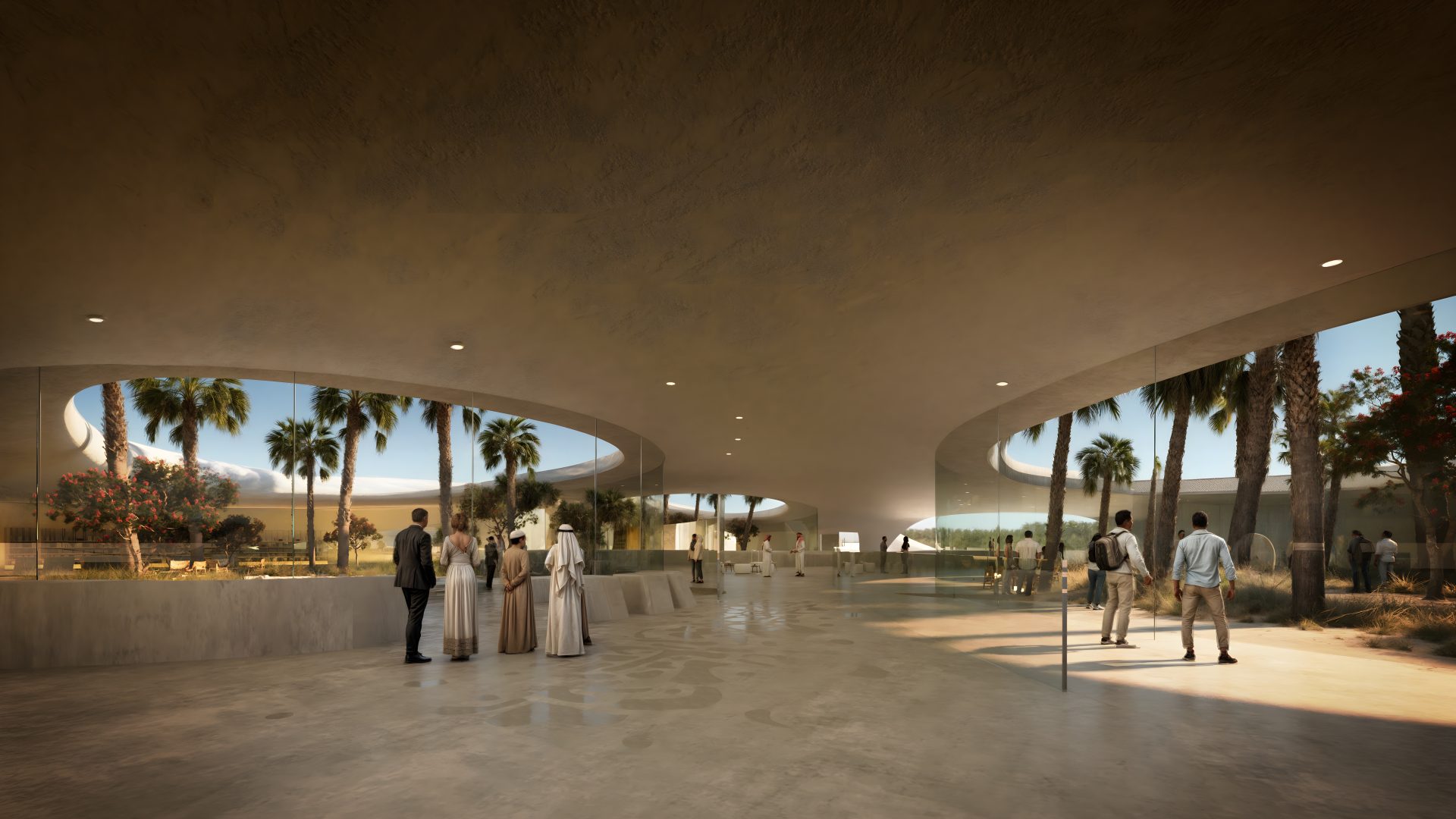
The final architectural form will consist of a monolithic shell structure made from a bespoke type of shotcrete, studied using aggregates from the existing soil, ensuring that the site’s significance is both preserved and celebrated. Ultimately, the project aims to create a unified experience that honours Badri’s rich cultural heritage while offering a modern, engaging environment for both locals and visitors.