LE MERIDIEN ANTALYA
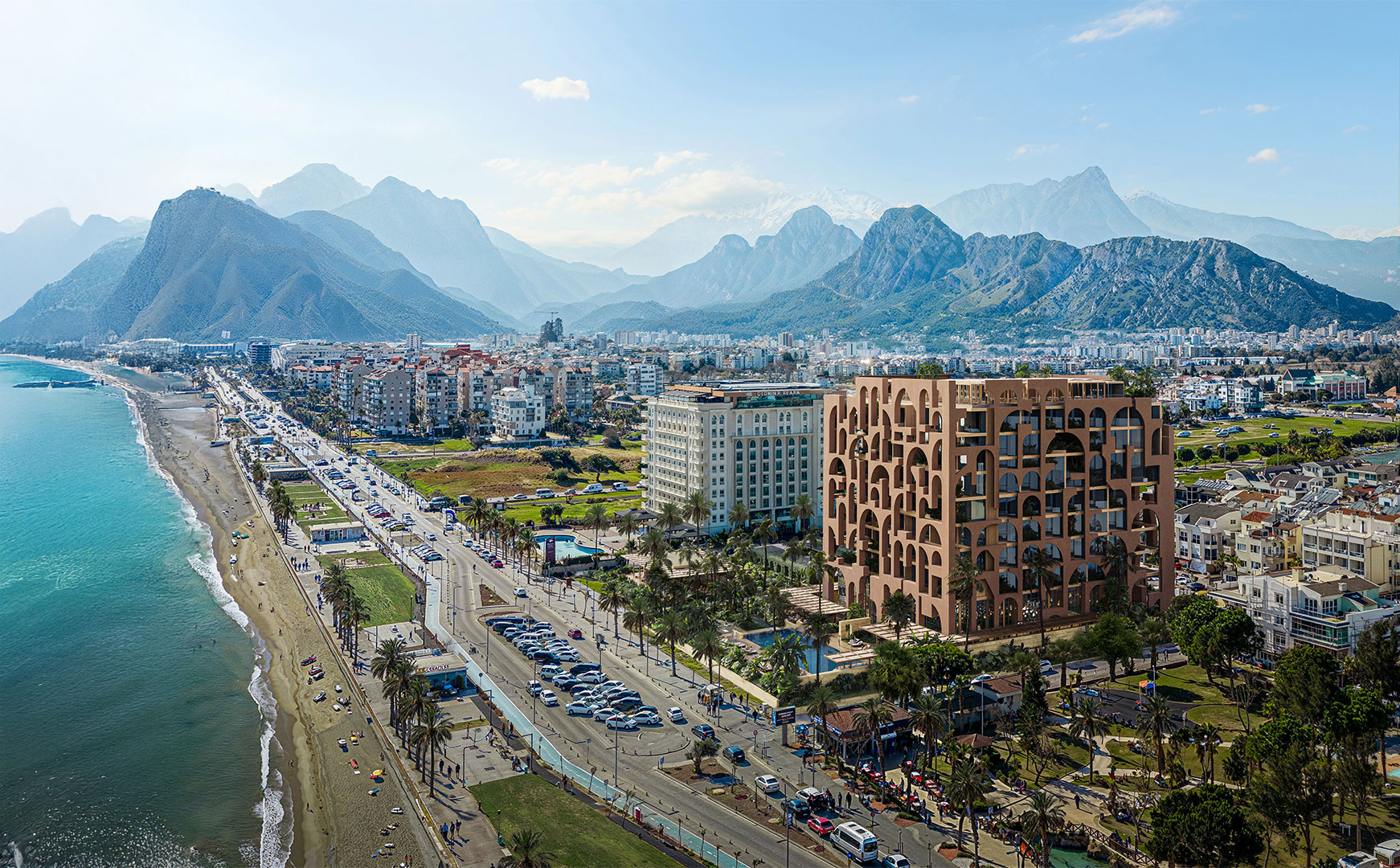
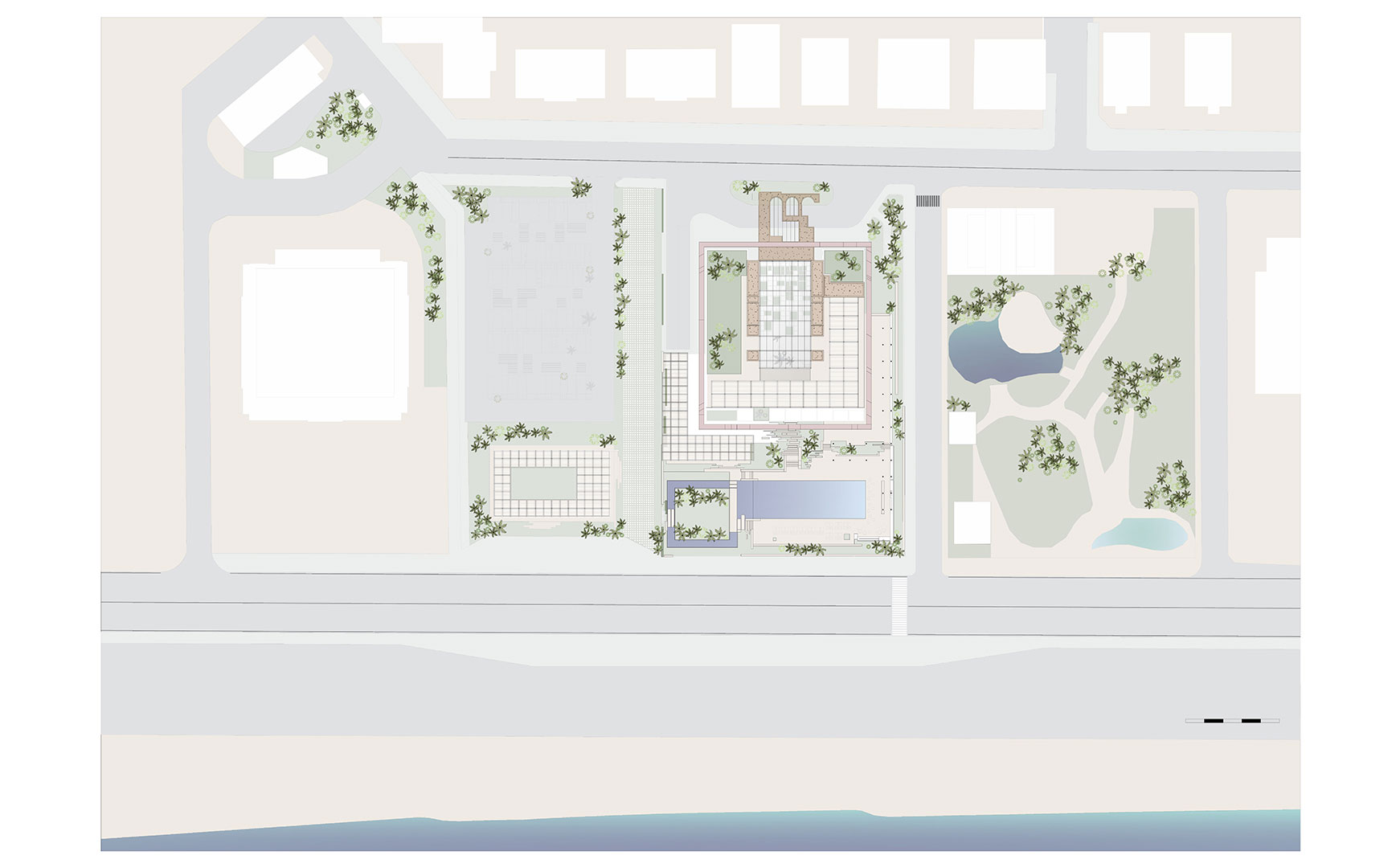
The site is located in the Turkish Riviera which holds significant historical, topographical, and cultural importance, shaped by the influences of various civilizations. It is distinguished not only by its natural beauty and historical remnants but also as a prominent tourist destination. However, recent development has led to a proliferation of repetitive tourist facilities, many of which adhere to generic designs. Consequently, hotels in Antalya often lack contextual specificity, with most designs being universally applicable rather than responsive to the local environment.
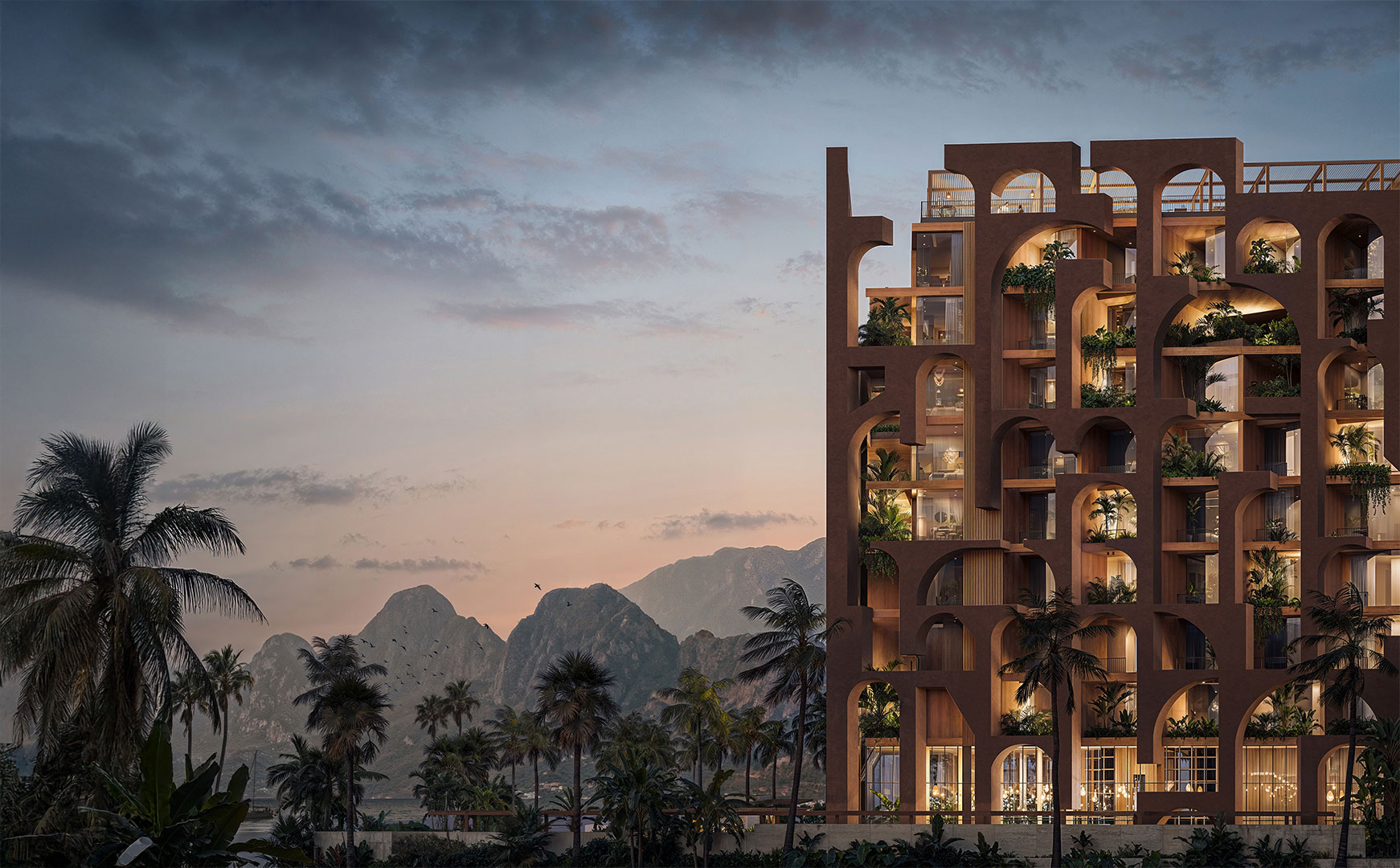
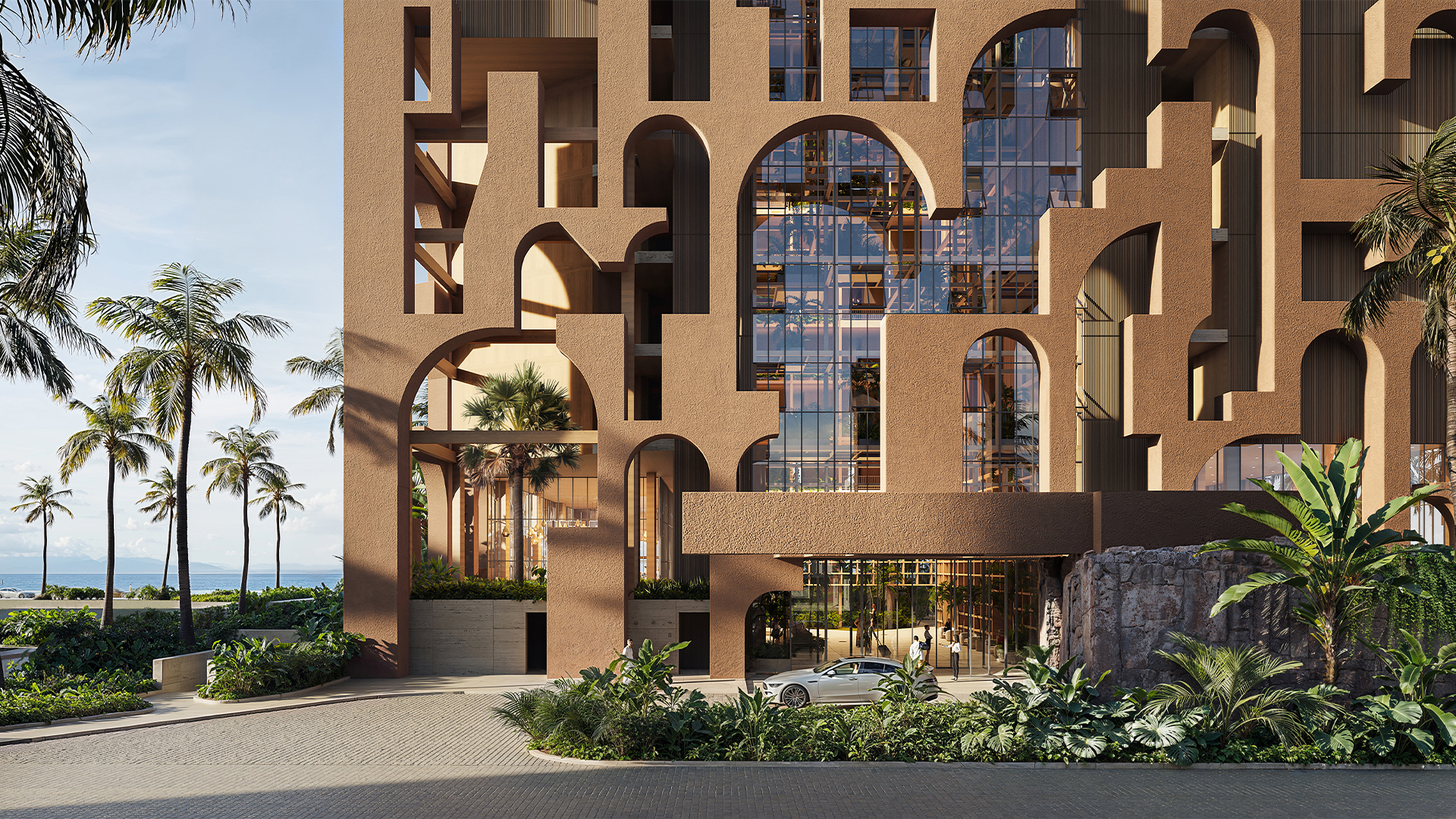
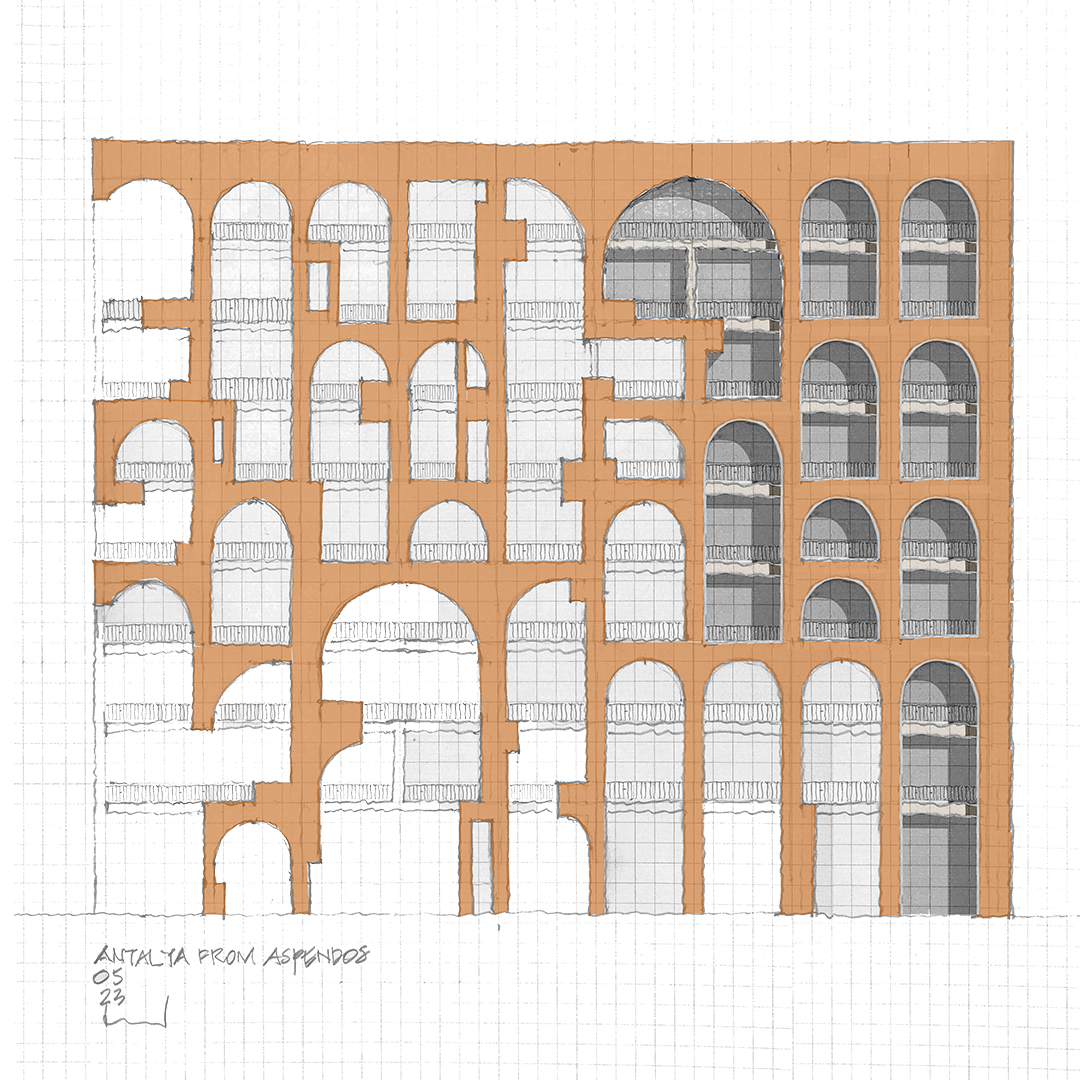
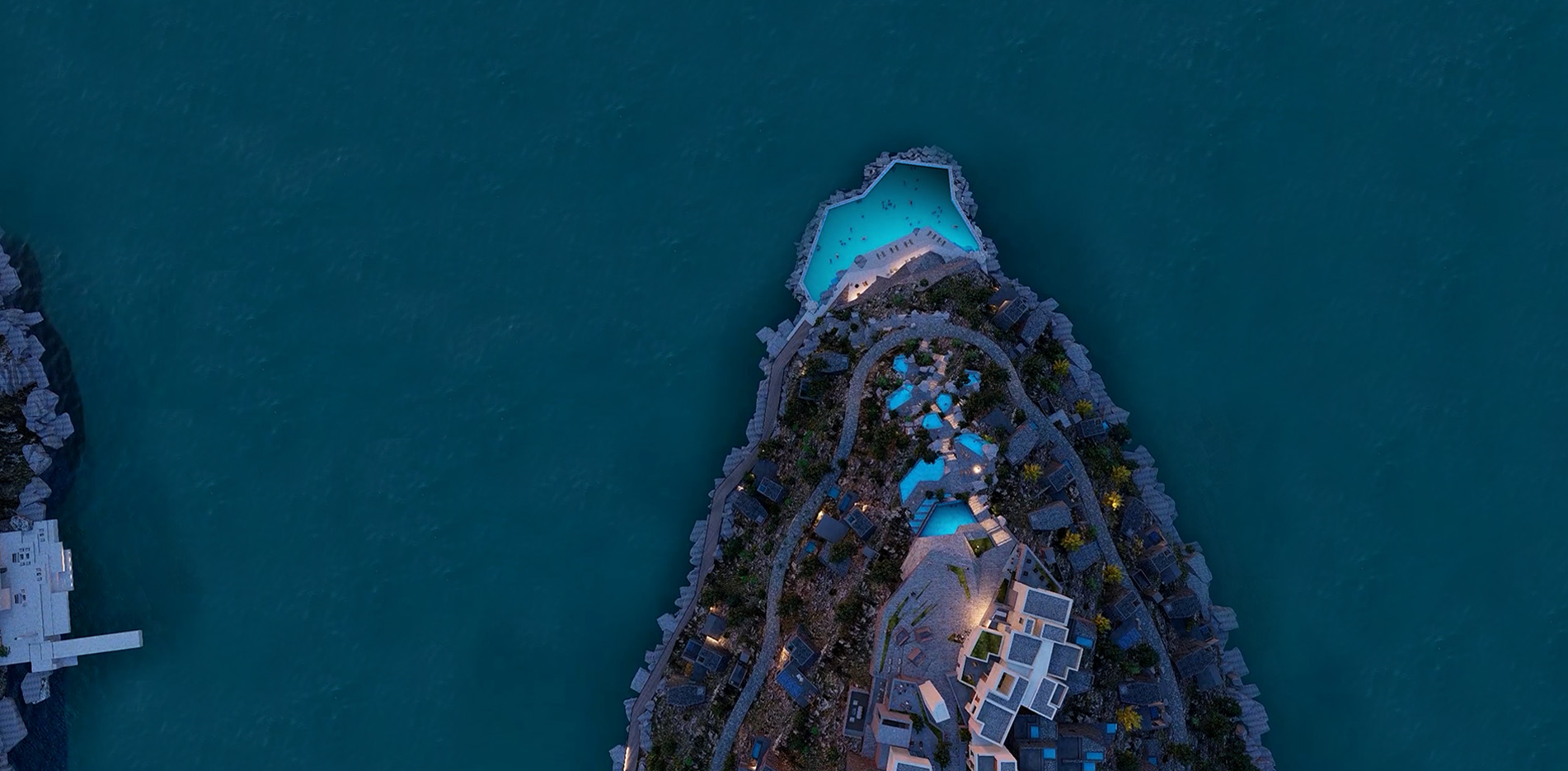
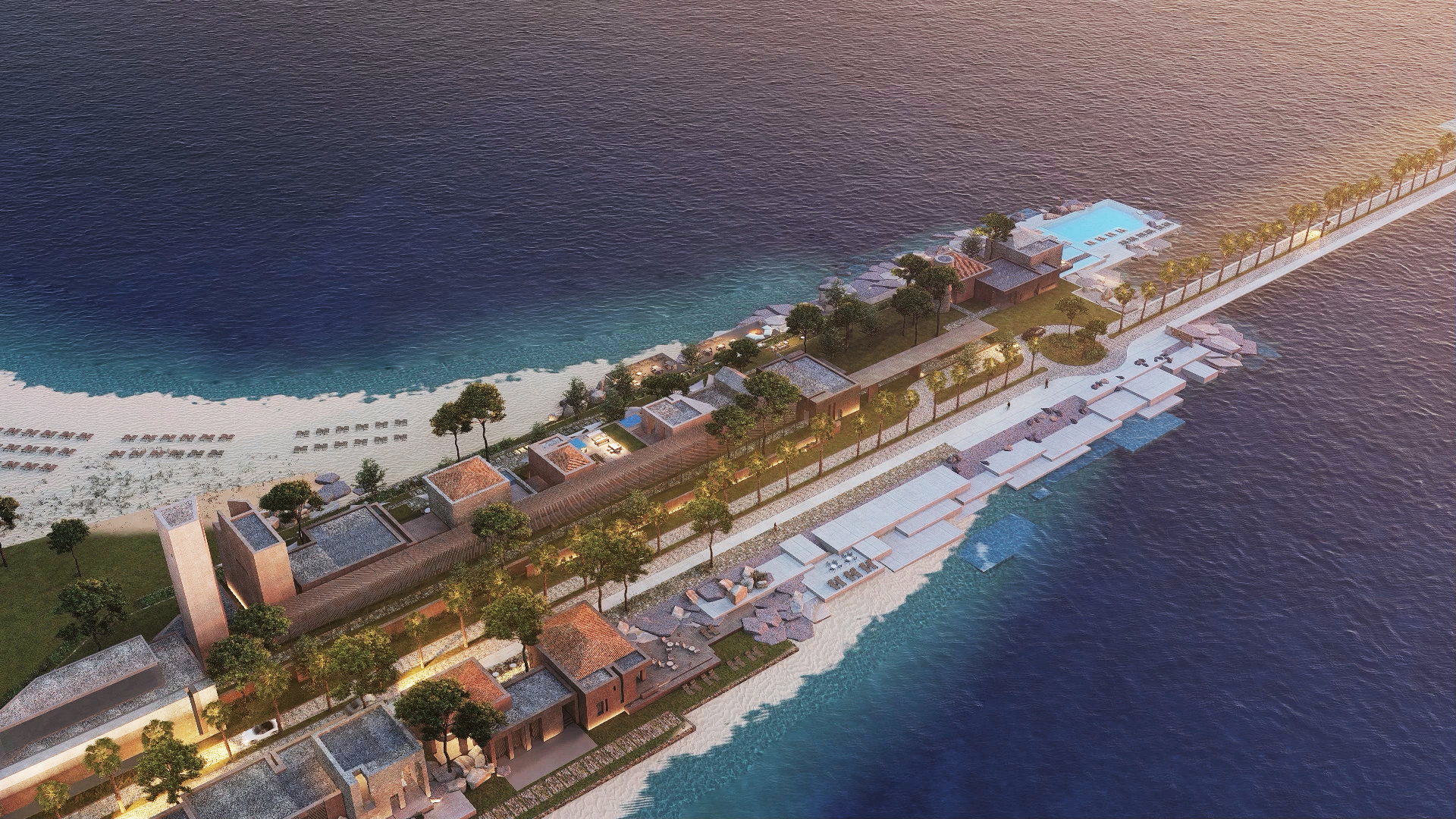
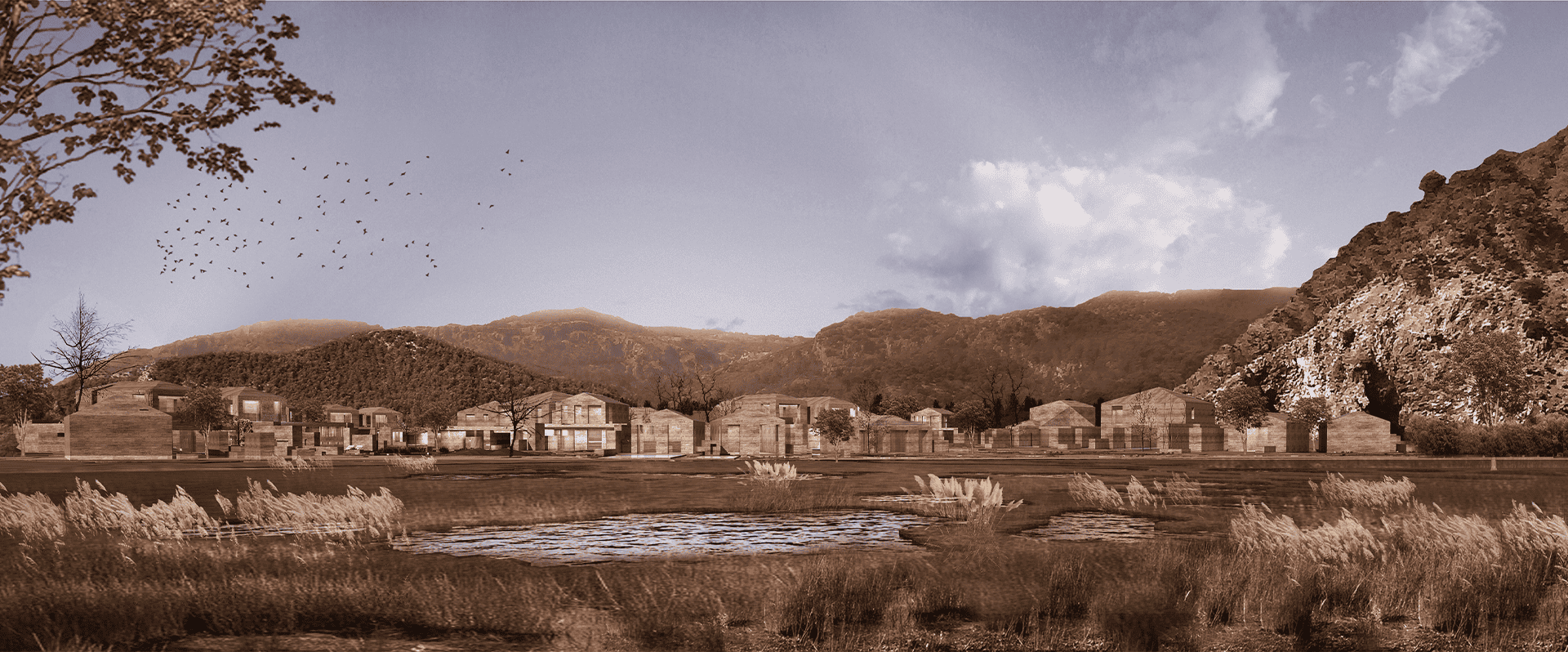
In contrast, this project seeks to create a design that is deeply embedded in the local context, while also reflecting the region’s Mediterranean identity. The primary objective was to explore what it means to embody local characteristics and how these can be expressed architecturally. Drawing elements from the historical vernacular of the region and by abstracting the traditional, the design forms a contemporary architectural language that is firmly anchored in its cultural context.
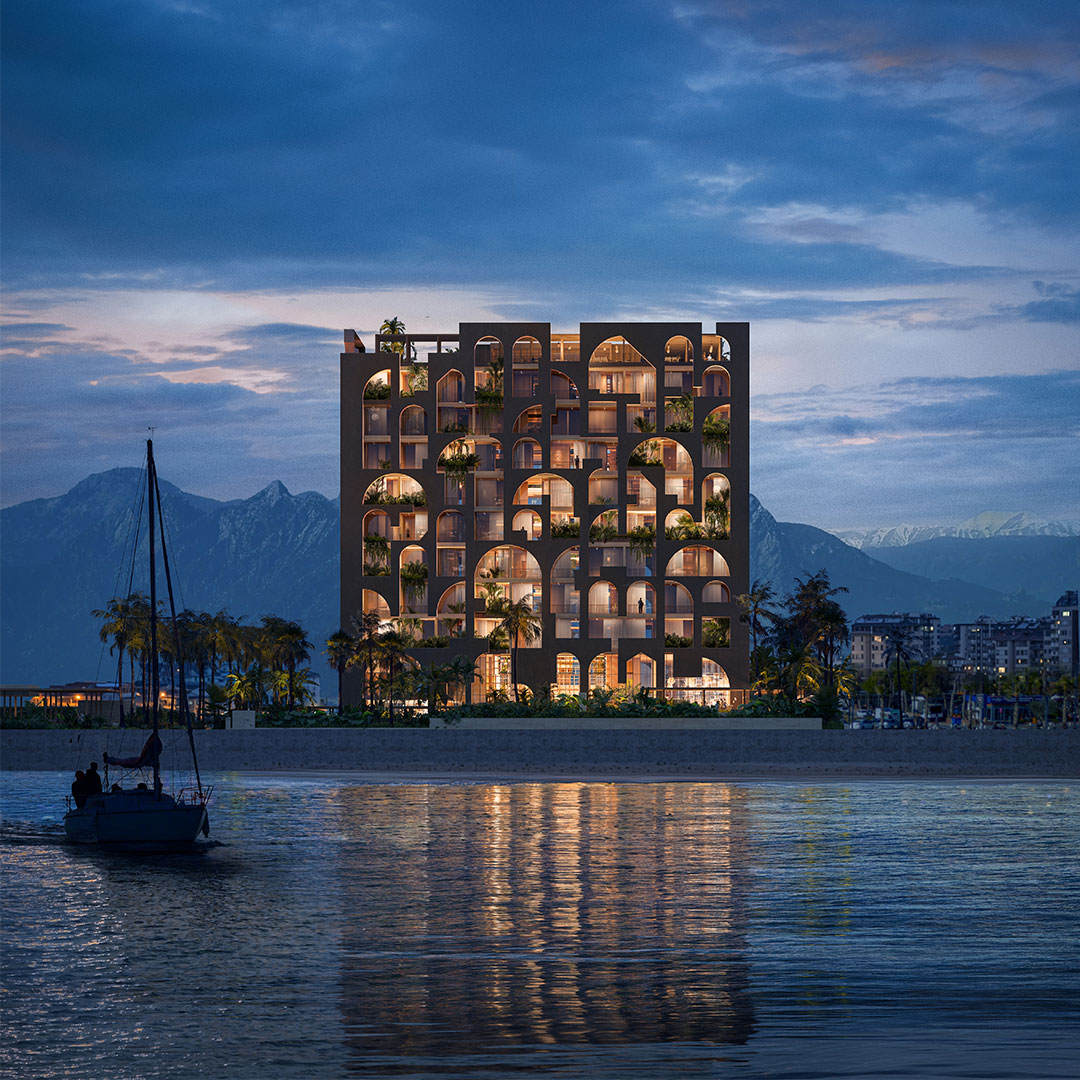
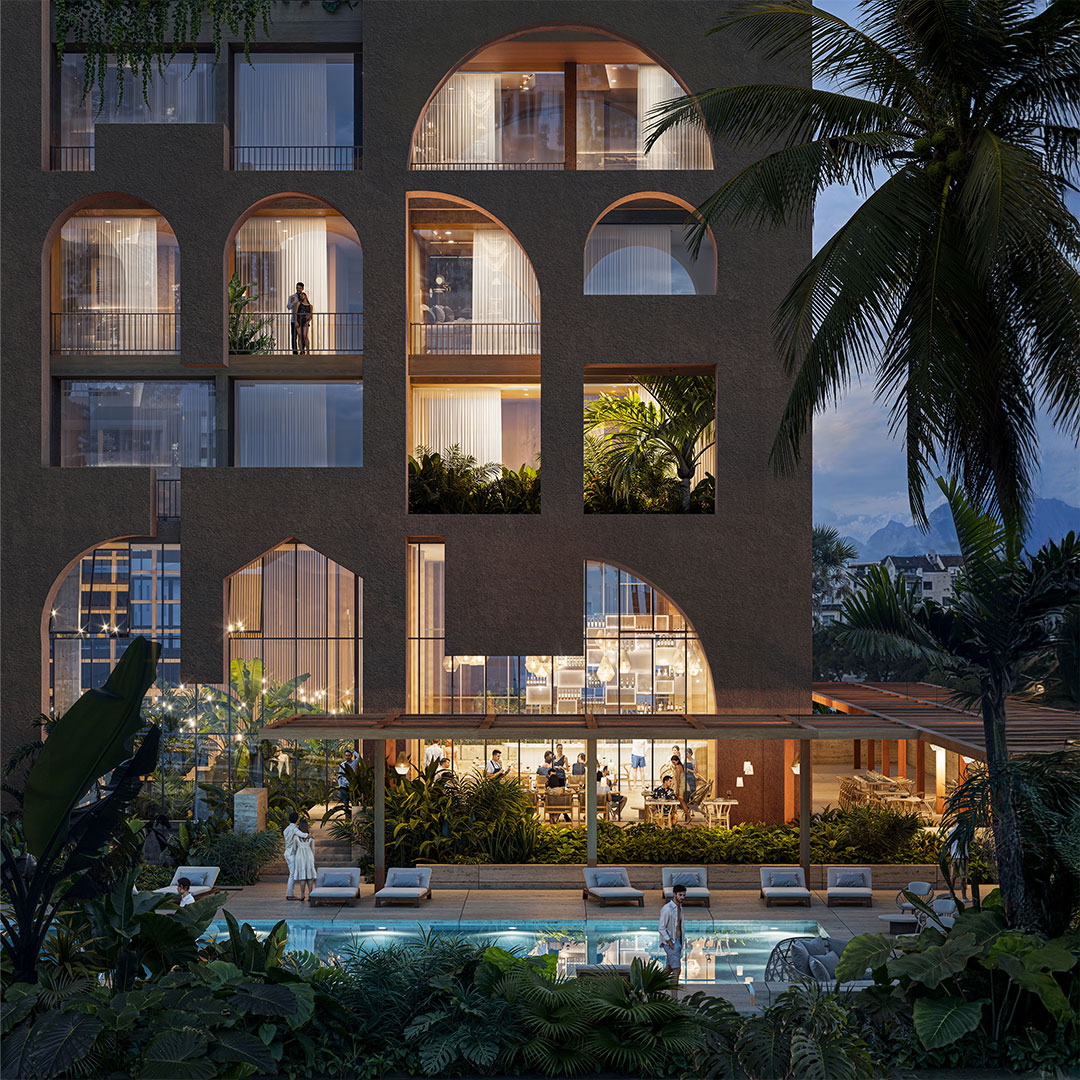
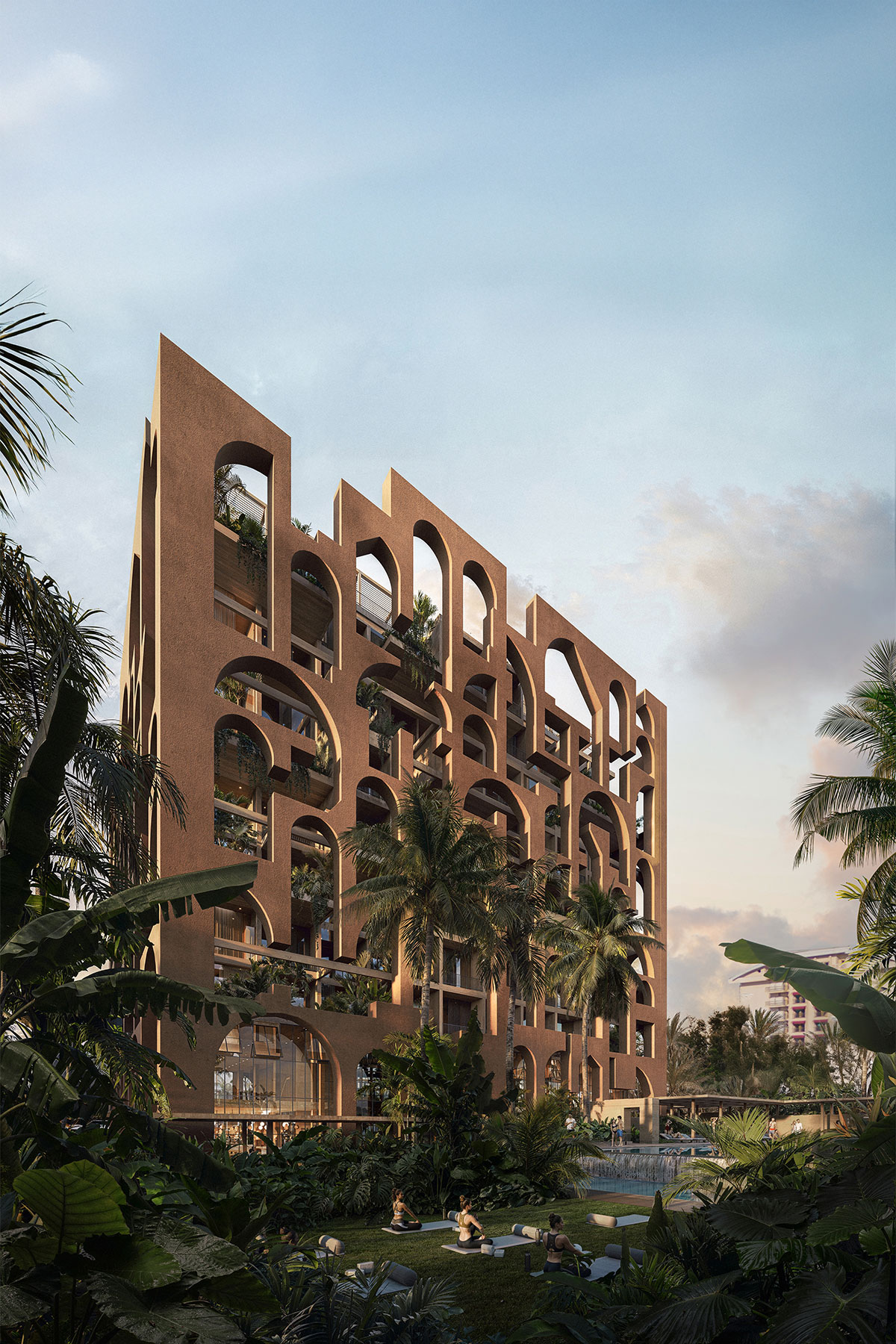
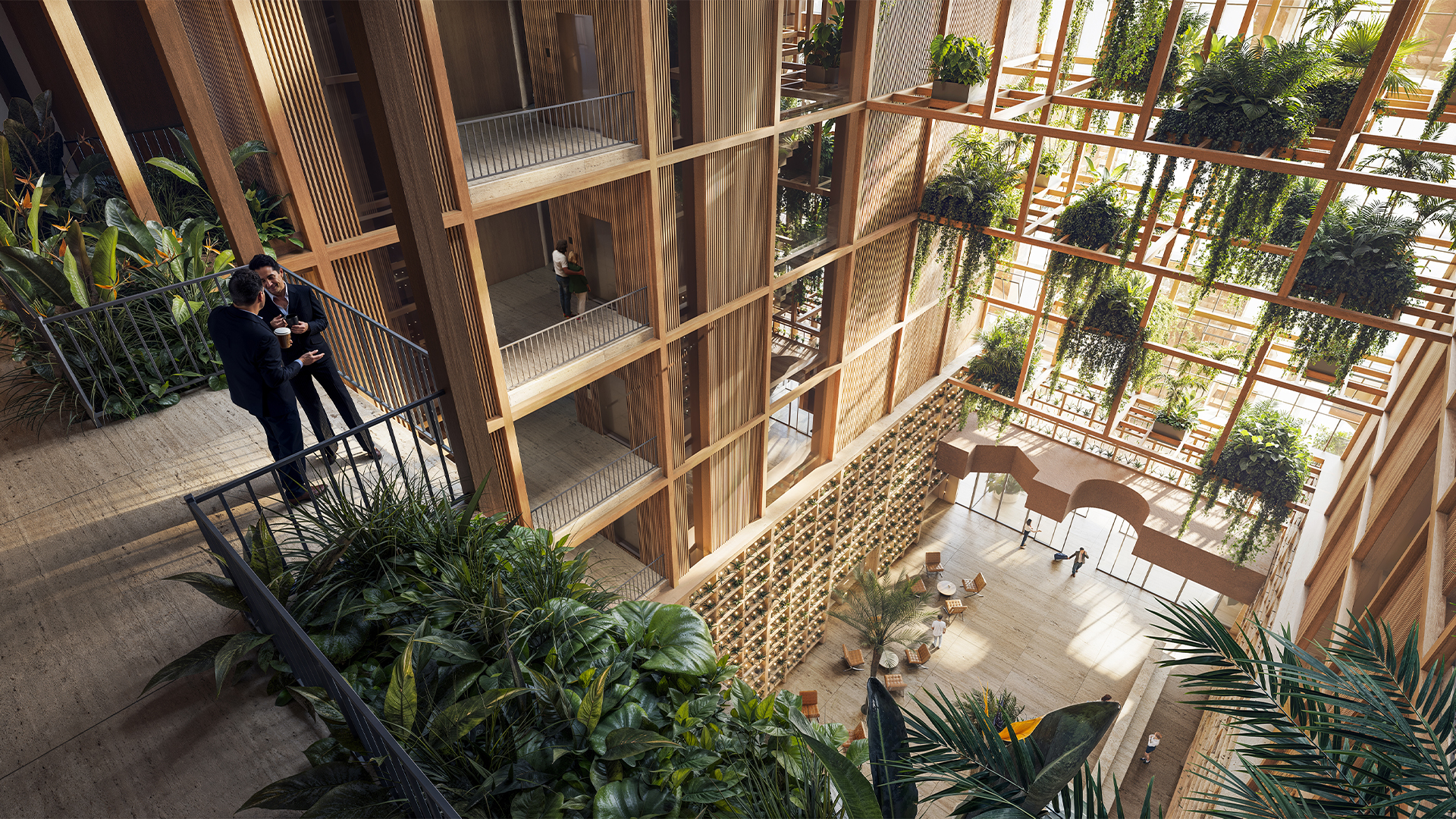
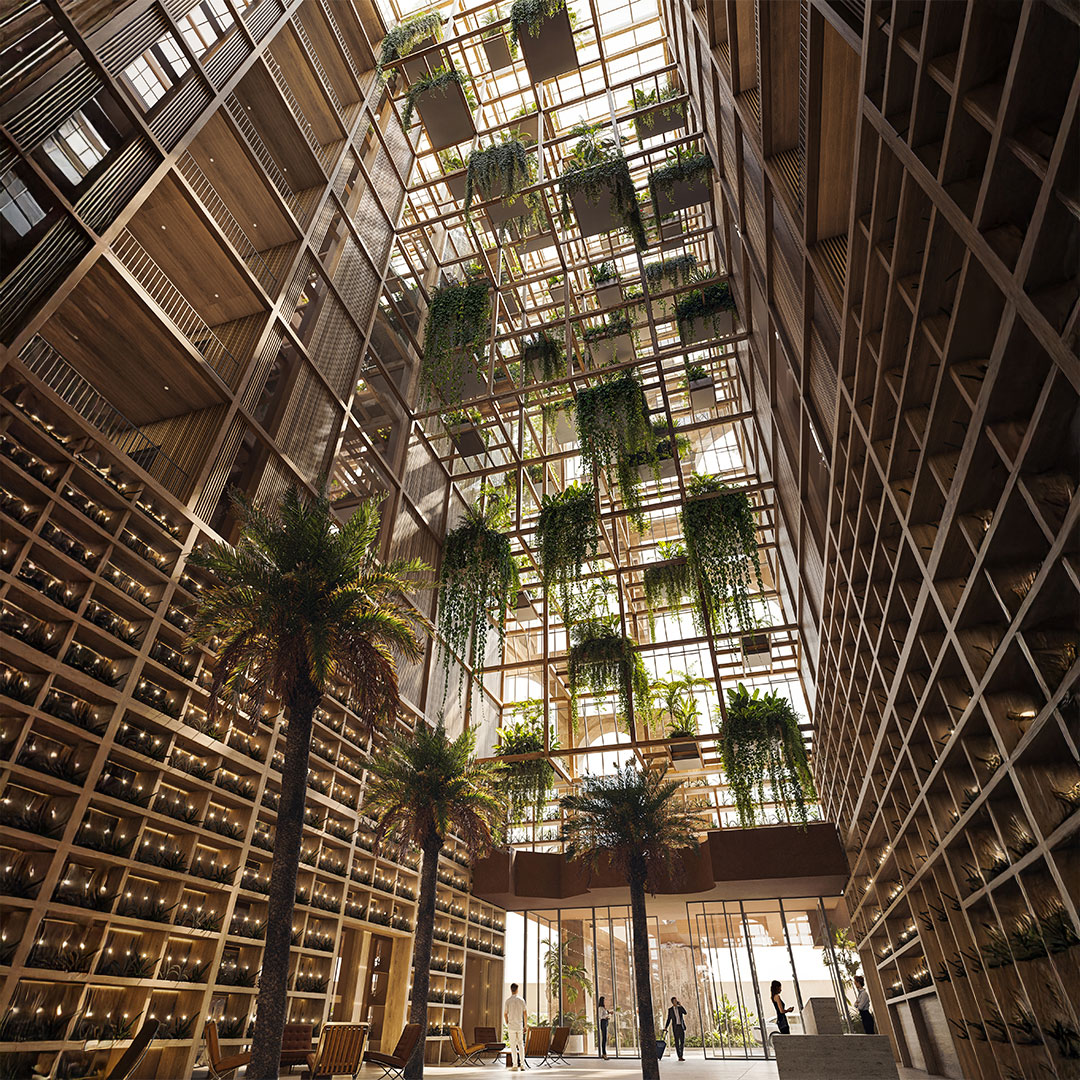
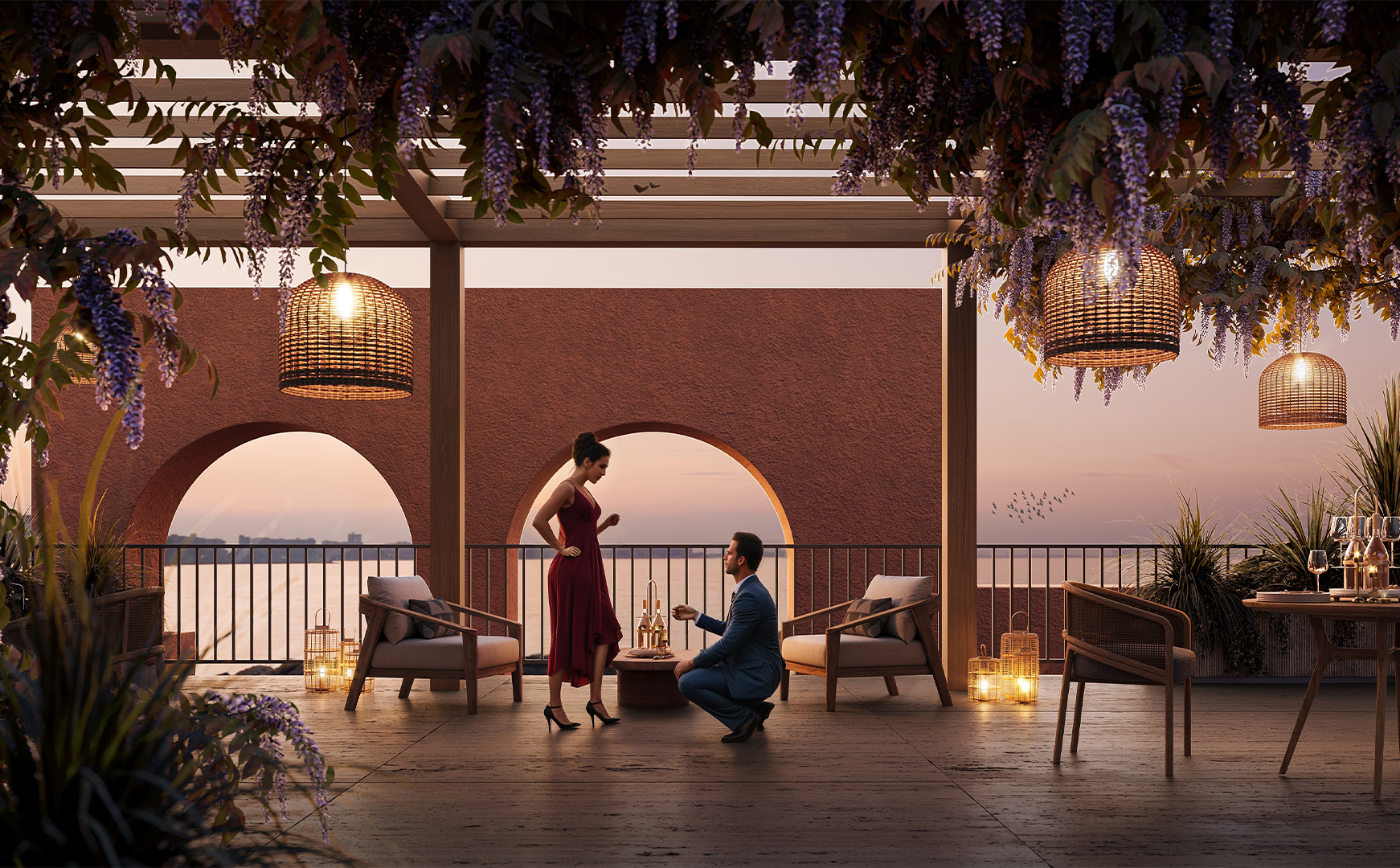
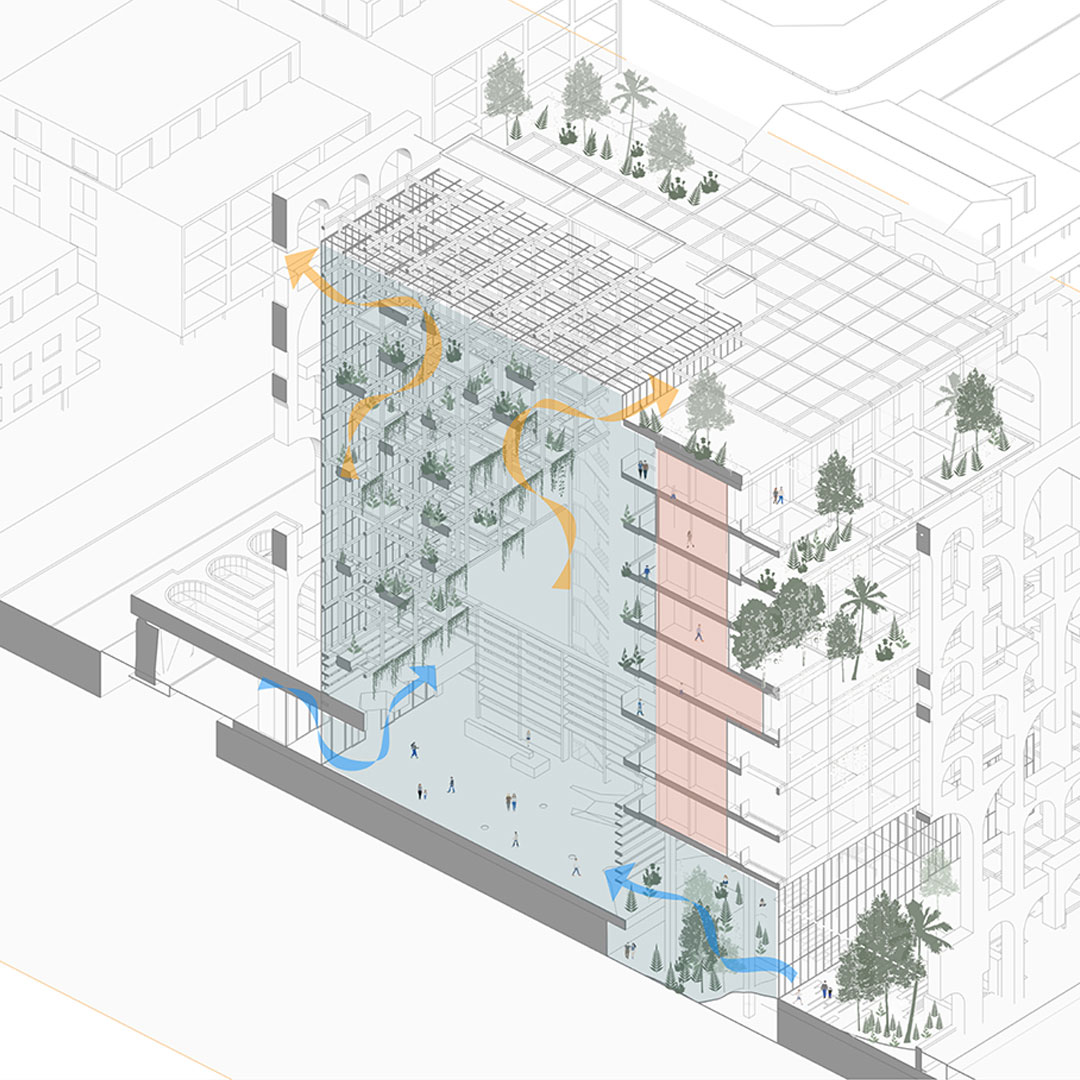
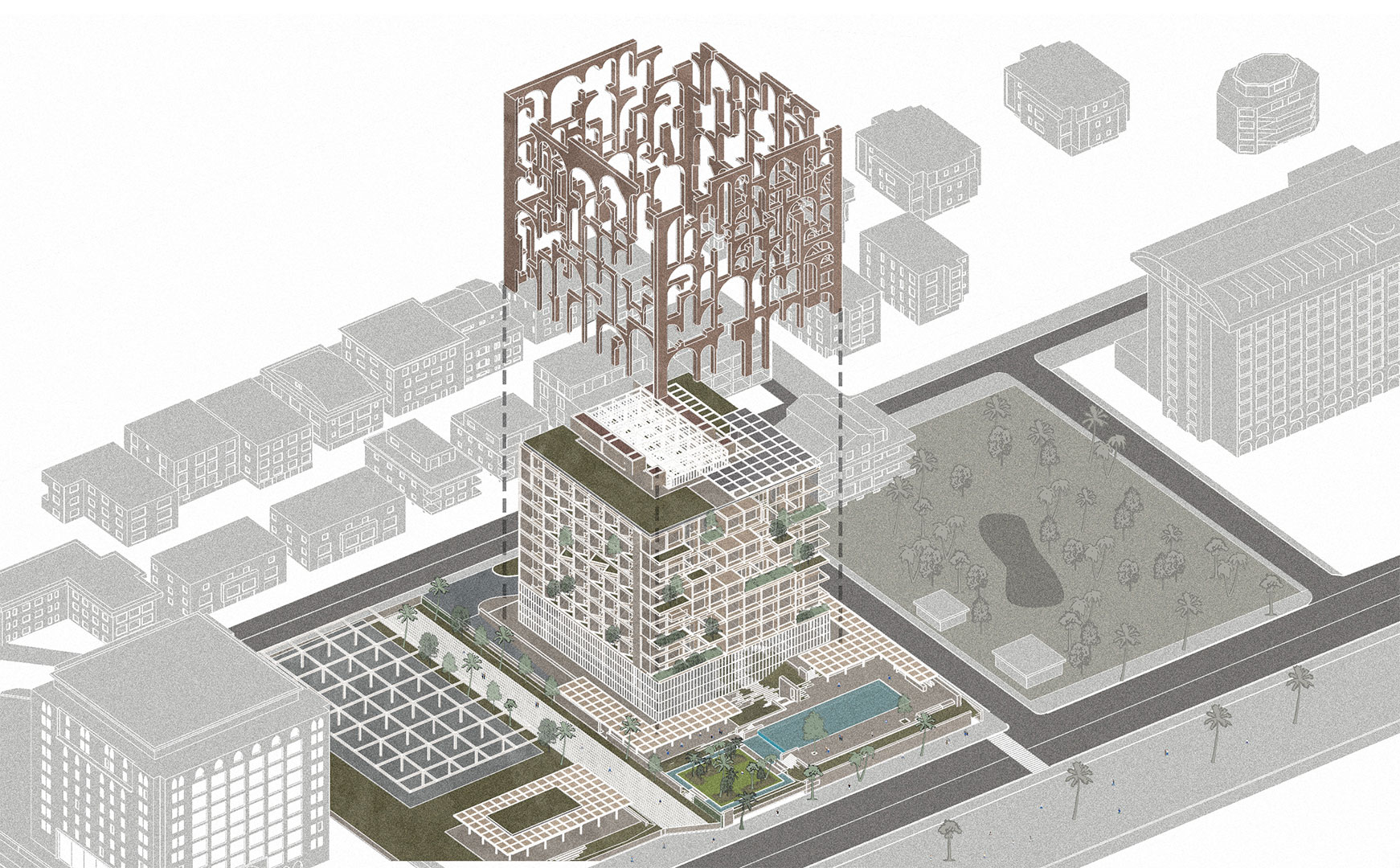
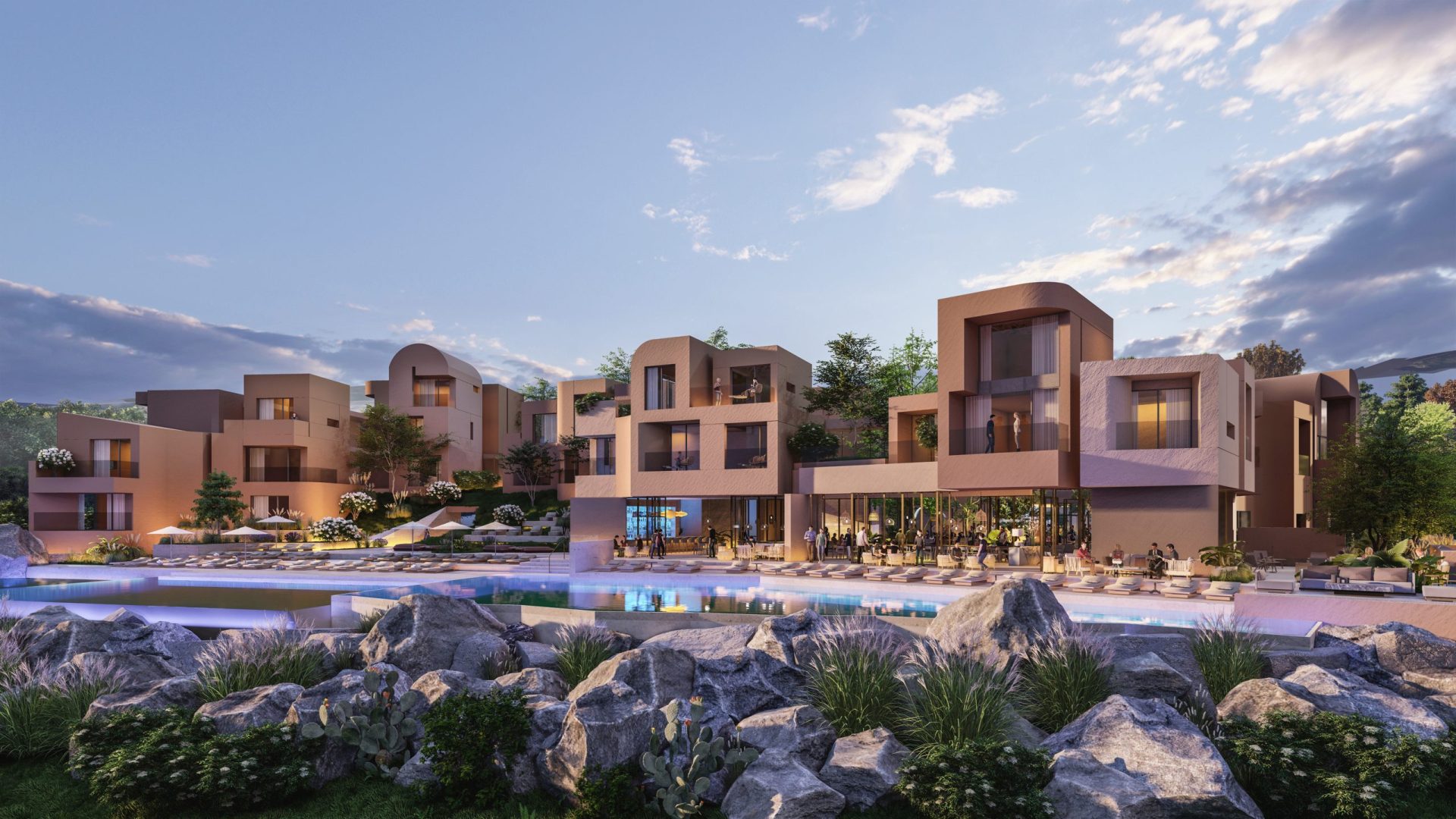
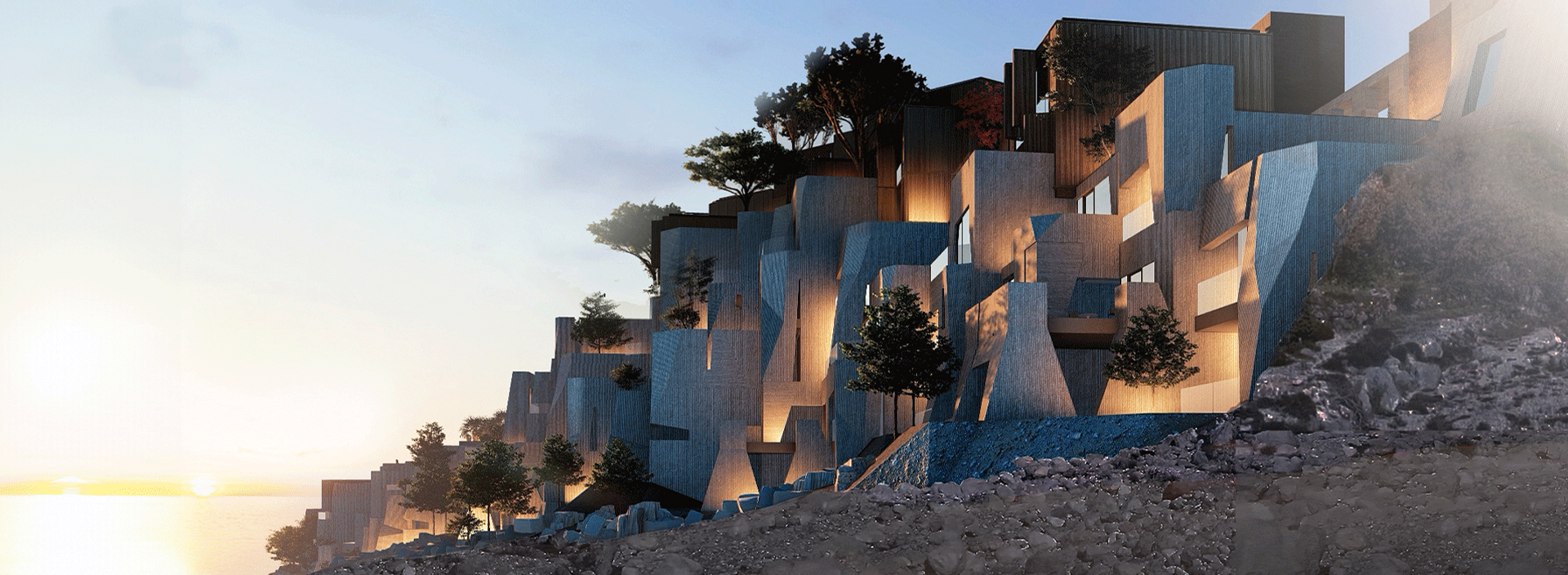
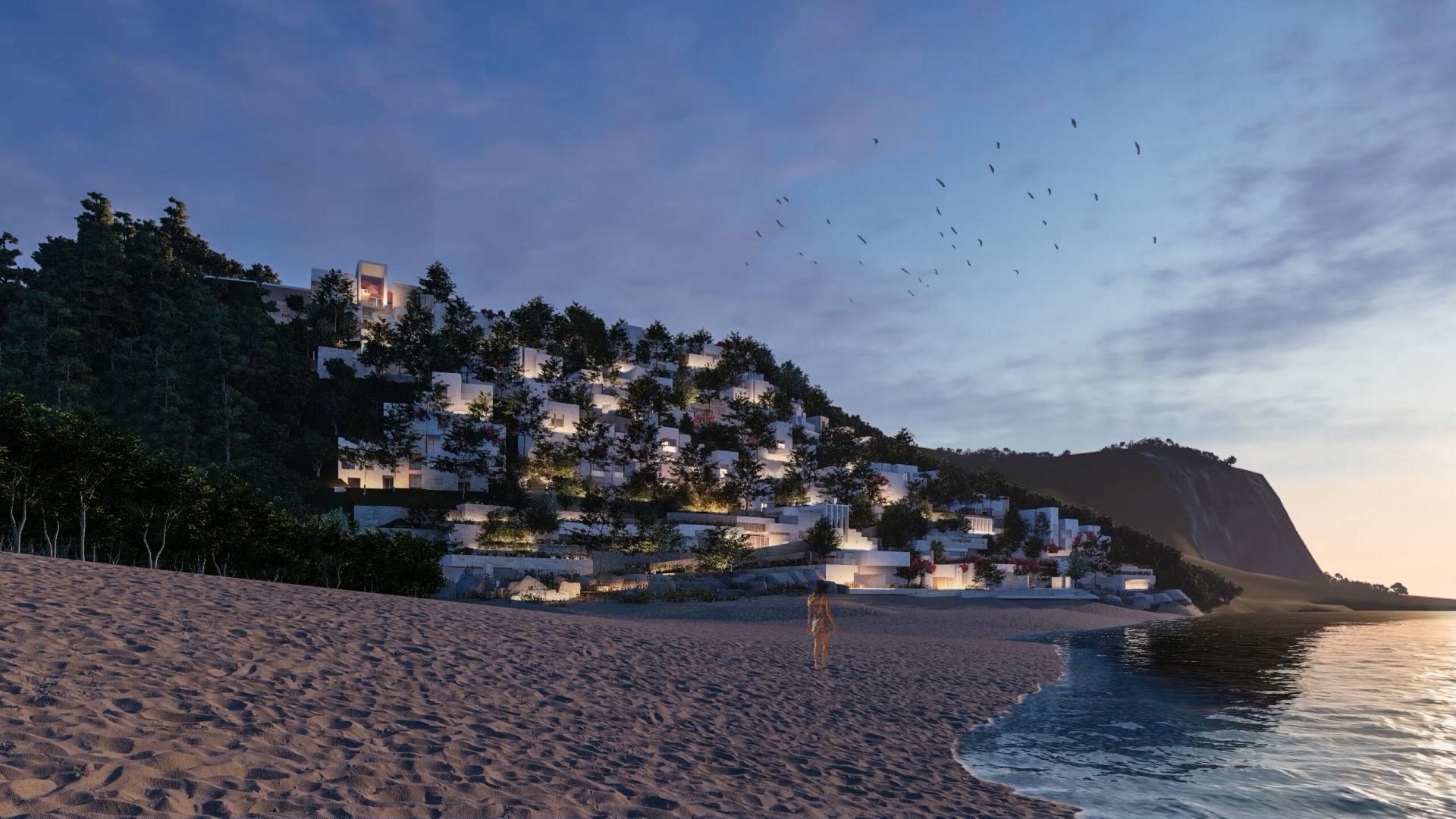
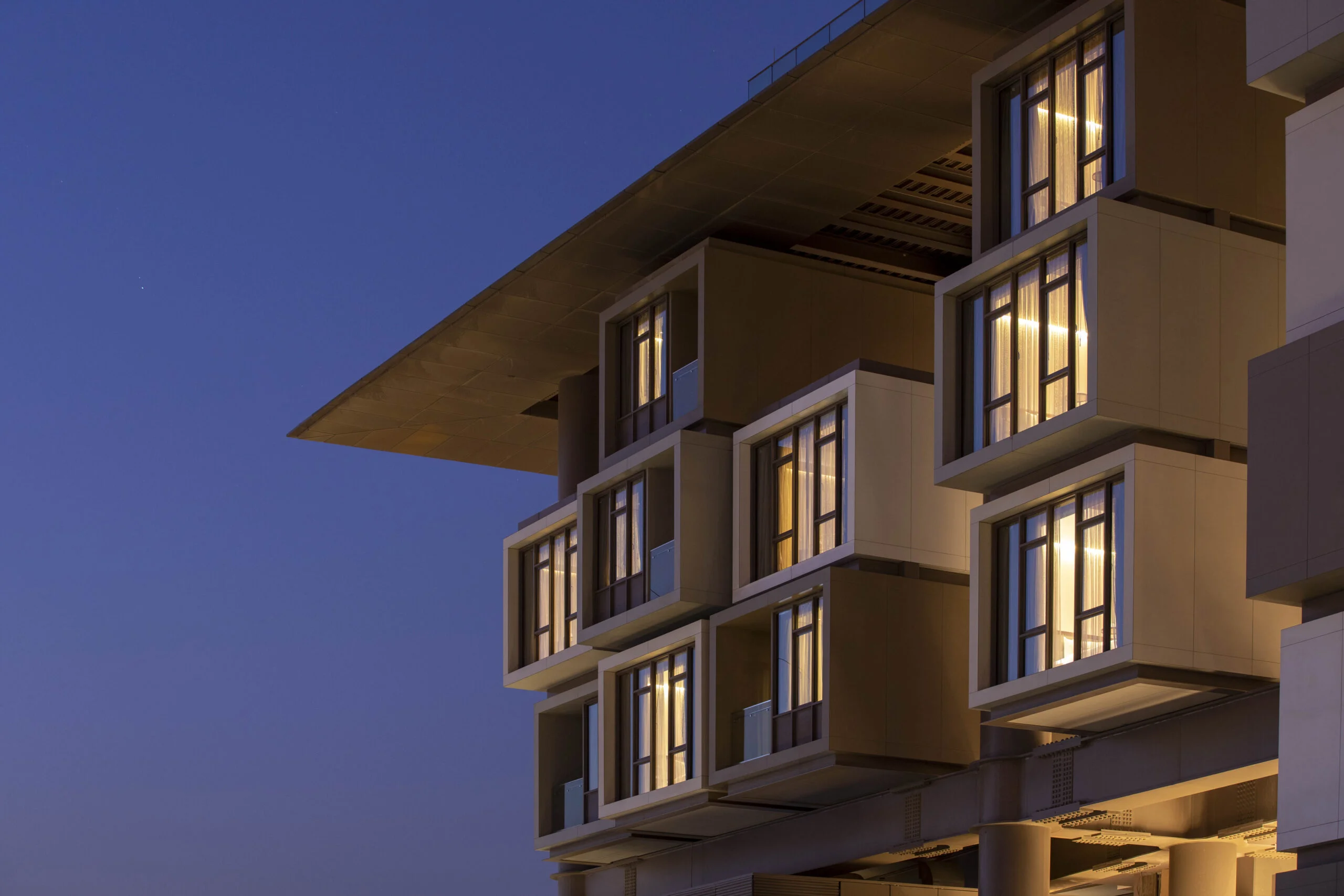
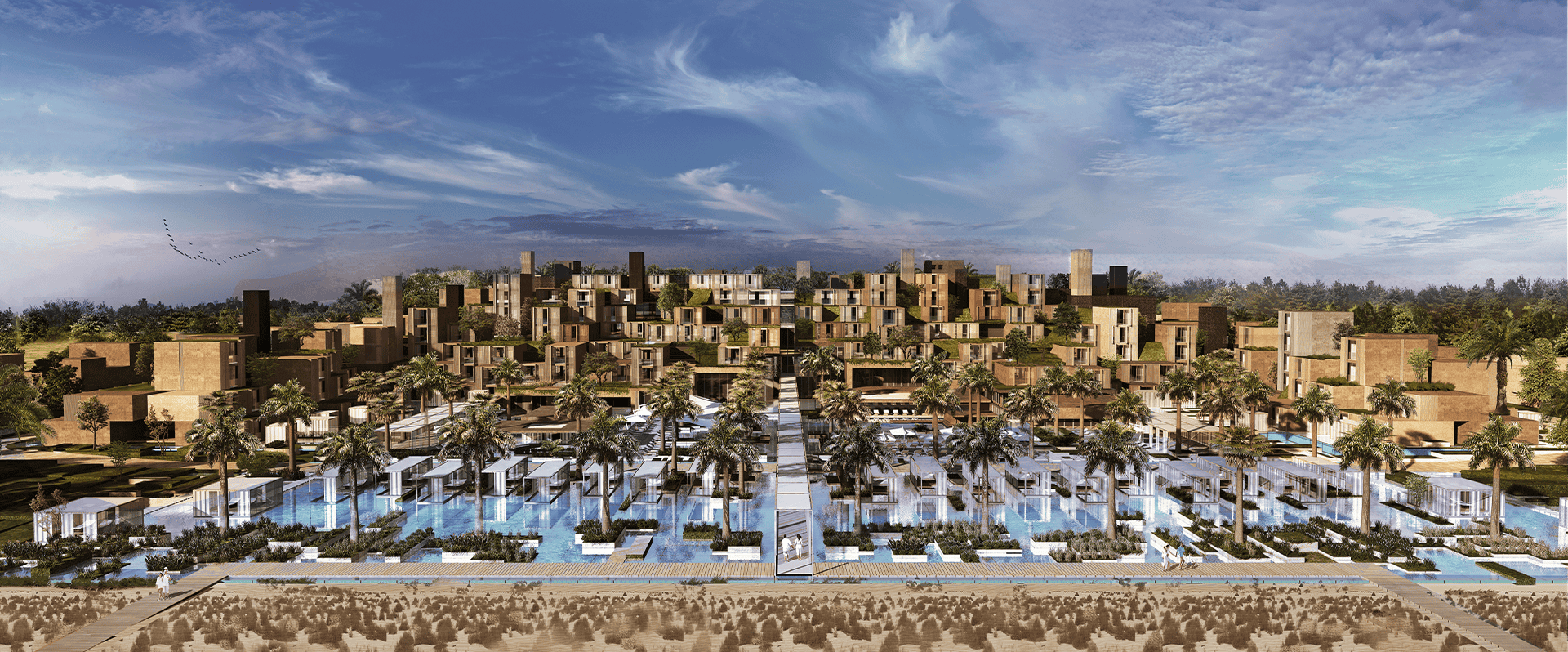
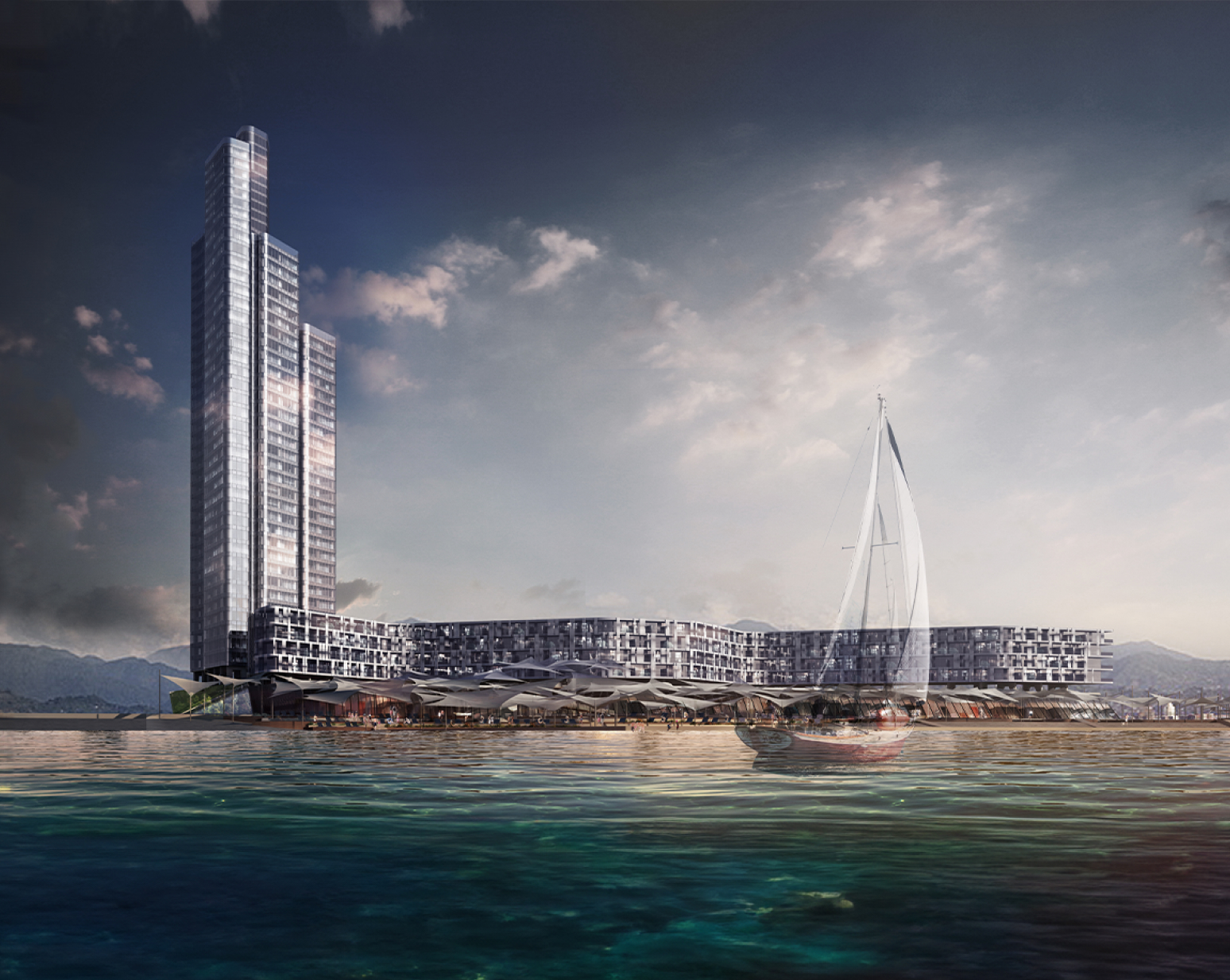
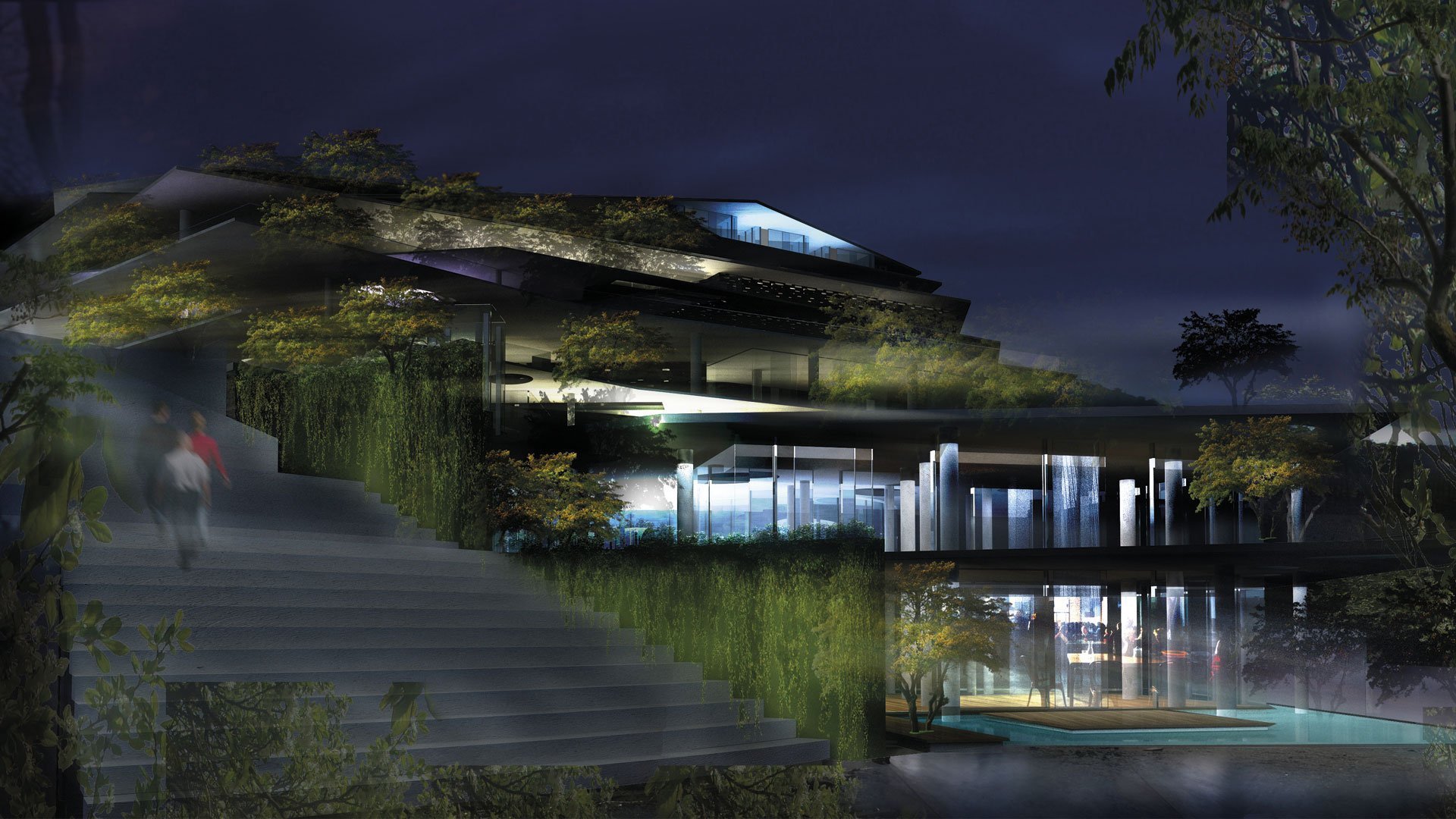
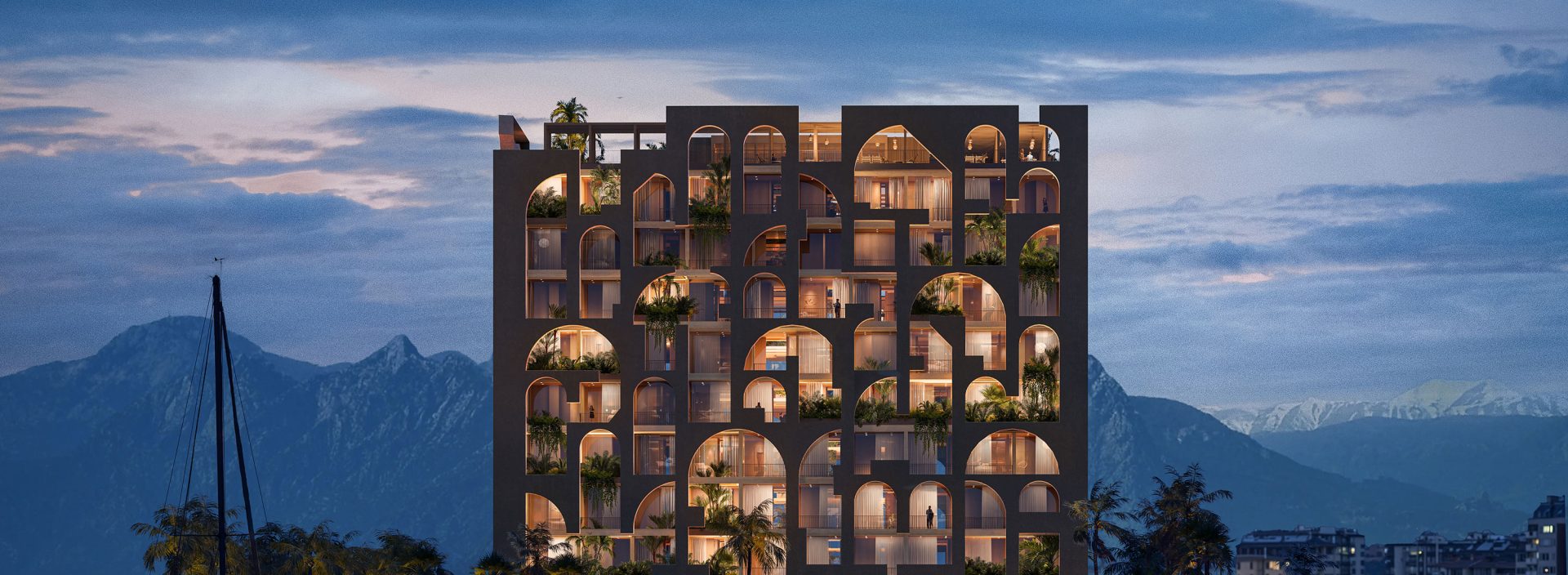
The architectural composition of the building’s shell integrates both regional context and formal design principles, resulting in a cohesive structure that evokes a theatrical quality. This effect is achieved through rational planning, which ensures that all rooms face the sea. Unlike conventional city hotels, the design envisions a vertical resort rather than a horizontal plan. Each floor introduces a new “ground,” characterized by landscaped terraces and a central atrium that visually links the building’s levels. This approach defines the project as a “vertical resort.”
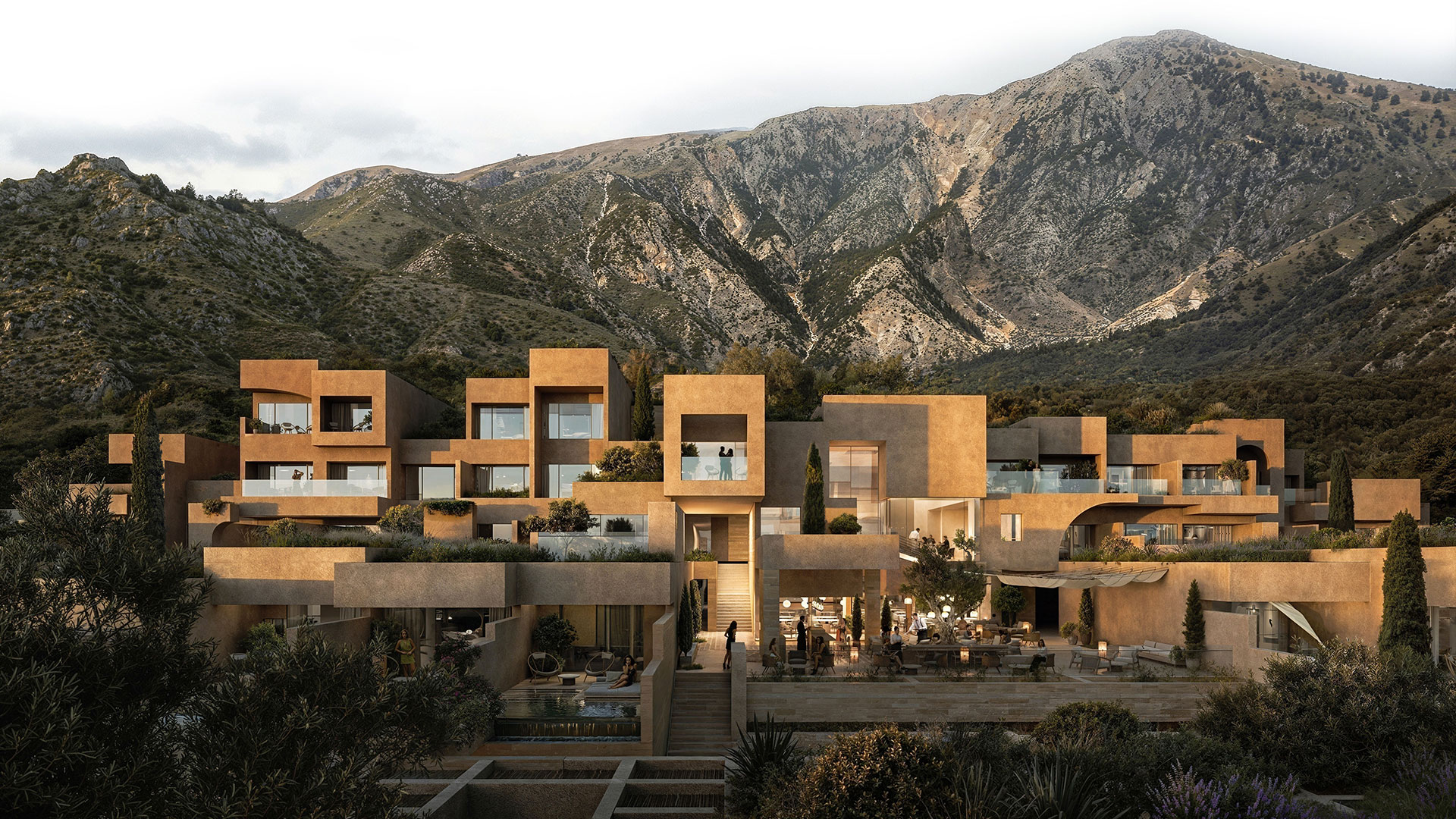
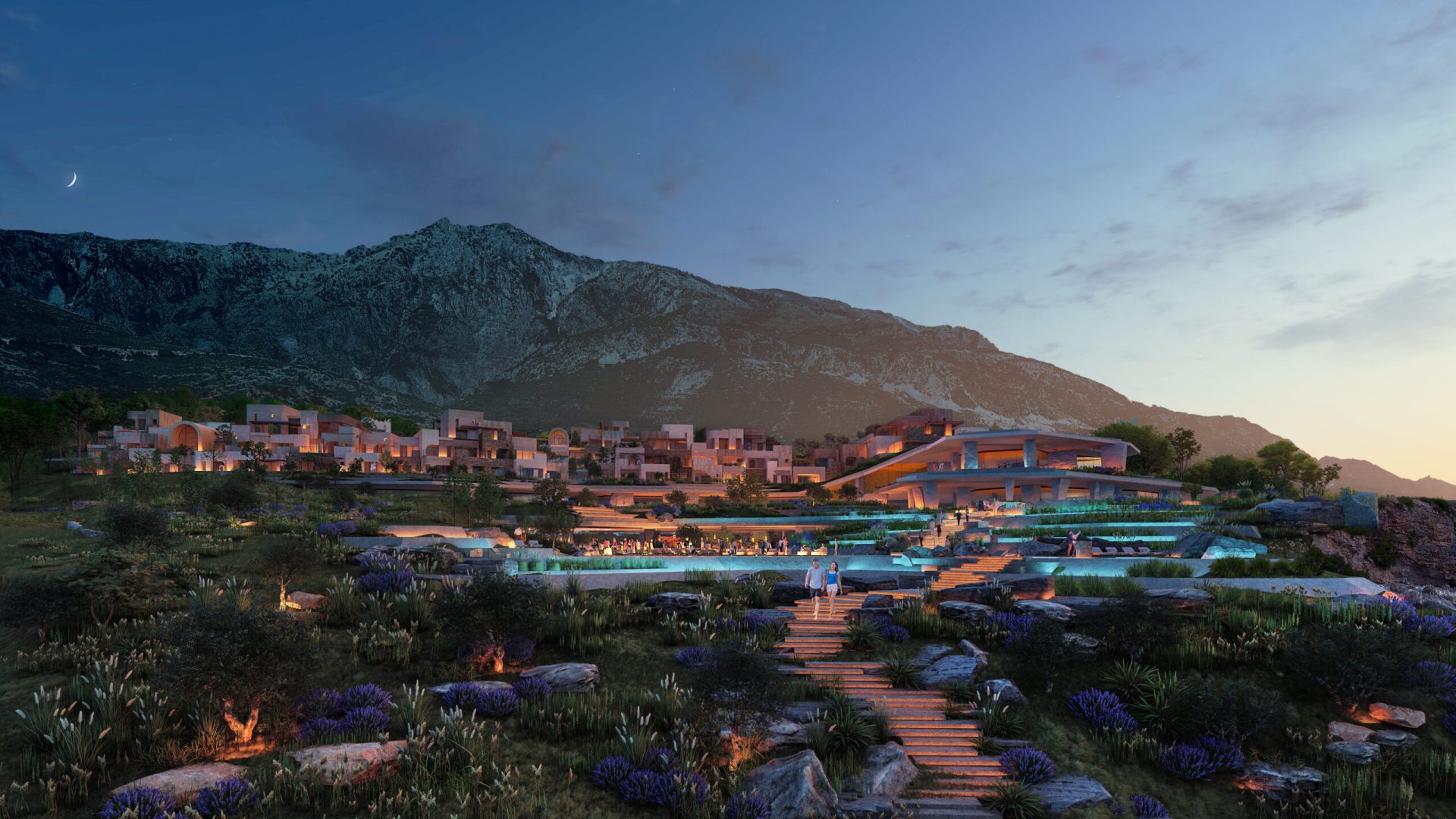
The building’s overall design is intimately connected to the local environment, with its silhouette seamlessly integrating with the Beydağları Mountains and offering a distinctive visual experience when viewed from the sea.
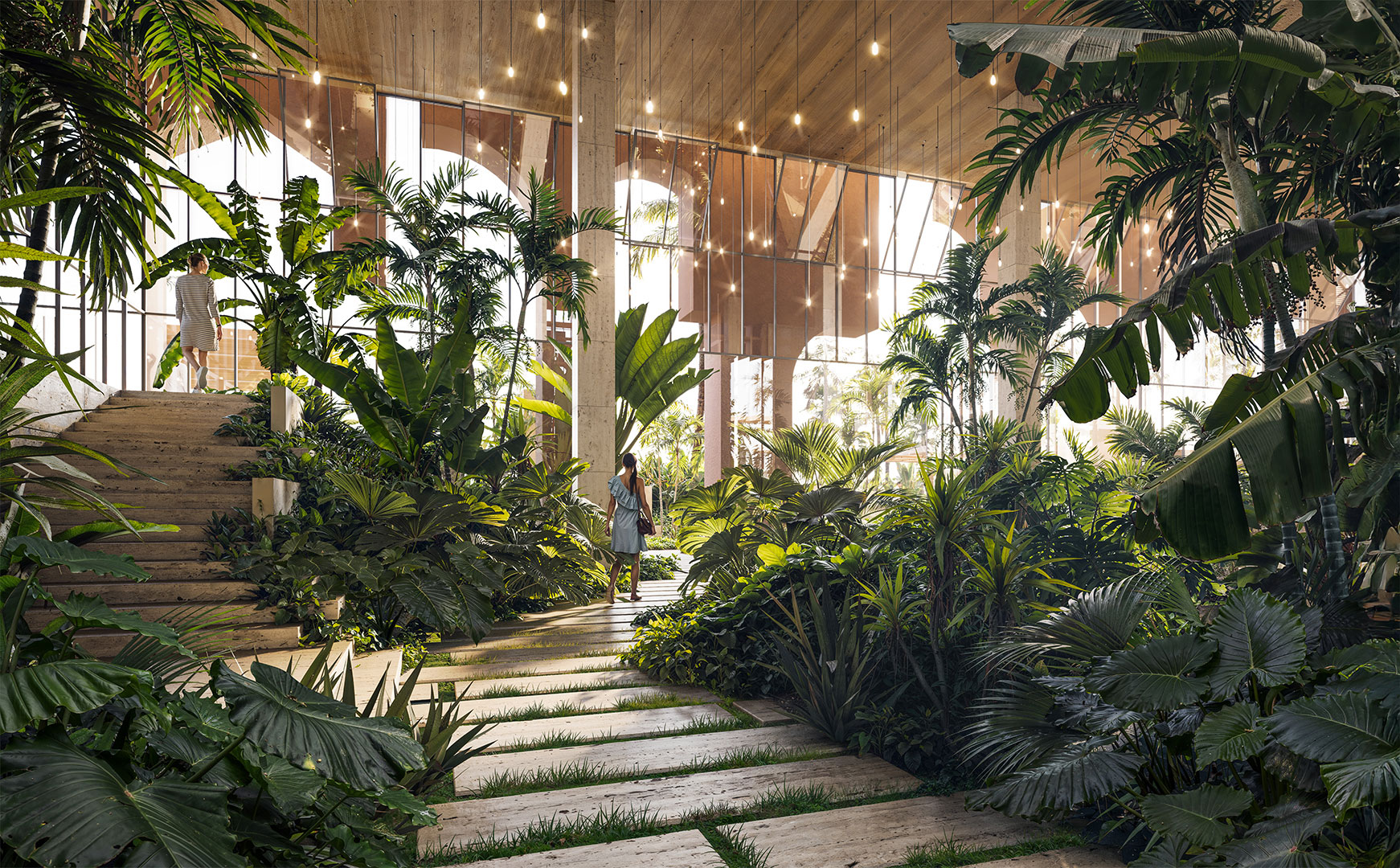
The interior design continues the theme of a green, landscaped aesthetic, with natural materials, such as wood, dominating the communal spaces. Vegetation in the atrium further enhance the environment, serving as the primary decorative feature while creating a harmonious balance between natural and contemporary design elements.